The short answer
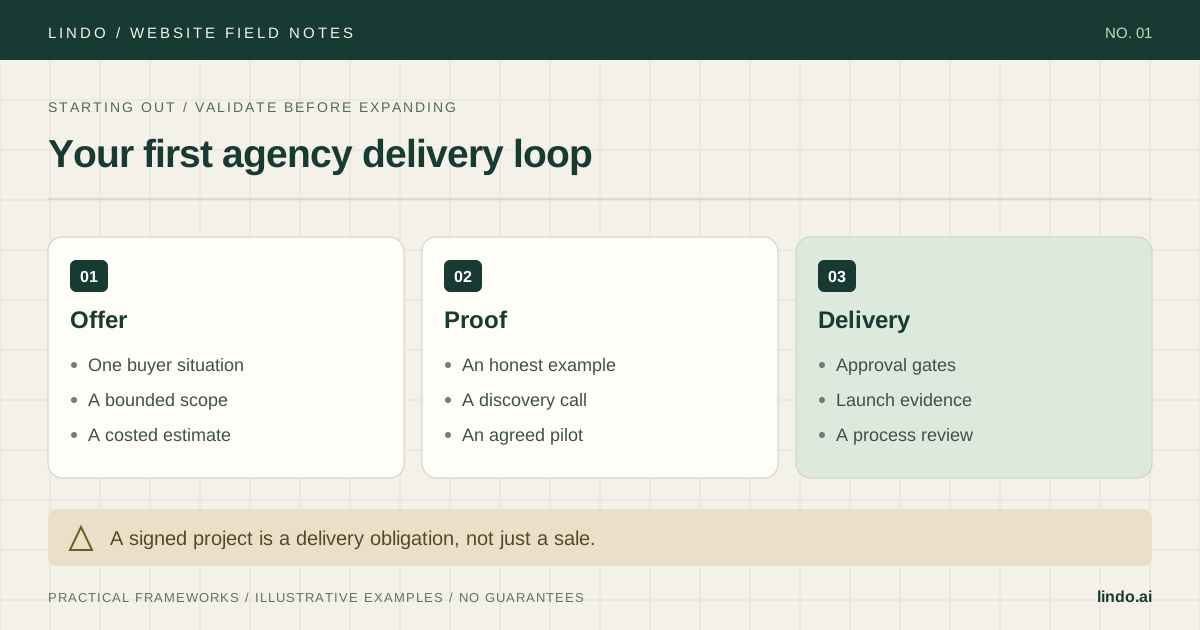
Start by proving you can solve a narrow website problem from brief to handoff. Validate the offer with real conversations, price the full workload, and finish a representative project before increasing commitments.
- A good fit
- A freelancer or small team building a service business around marketing websites.
- Pause if
- You need immediate, predictable income from untested demand, or the first client requires functionality you cannot validate and support.
1. Choose a buyer situation you can understand
‘Websites for small businesses’ is too broad to guide an offer. A more useful starting hypothesis is ‘enquiry websites for independent service providers with one main offer and no online checkout.’ You can then identify the content, page types, and technical limits you are likely to encounter.
A niche is a way to reduce uncertainty, not a guarantee of higher rates. Speak with a few potential buyers before building a large template library. Ask what their current site prevents them from doing, who updates it, where enquiries go, and what triggered the conversation now. Record their words, including reasons a new website is not a priority.
Buyer: independent consultant with one established service.
Problem: prospects cannot understand the offer before a call.
Inputs: approved service facts, biography, photos, and contact inbox.
Output: home, service, about, and contact pages.
Done: content approved; mobile, links, and enquiry delivery tested.
Excluded: checkout, memberships, custom integrations, ongoing copywriting.
2. Make the business affordable to operate
List the costs you will owe even without a sale: essential software, insurance or professional support appropriate to your situation, communications, and your own minimum income needs. Keep this planning separate from project revenue. A signed proposal is not collected cash, and an annual software commitment is not a monthly experiment.
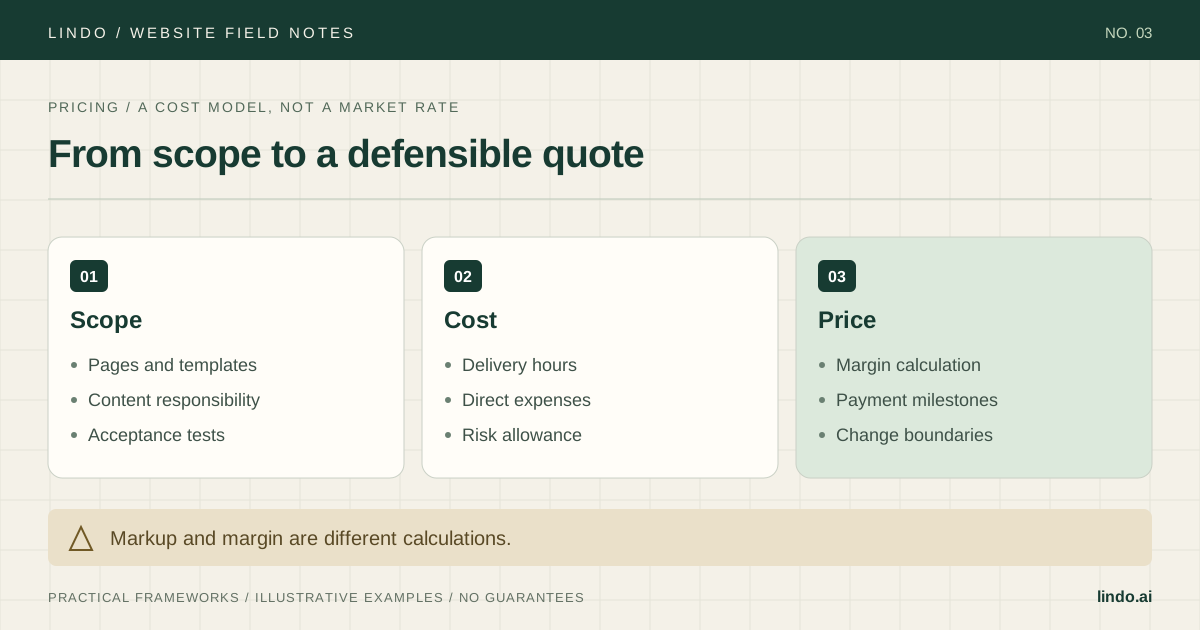
For each offer, estimate discovery, content work, building, revisions, testing, and handoff. If you intend to use AI, measure a sample build with those stages included. Do not price from generation time alone. Keep tax, registration, contracts, and local compliance questions with qualified local advisers rather than borrowing another agency’s paperwork without review.
3. Build proof without inventing clients
If you have no client work, create a clearly labeled self-initiated project. Use a fictional business or your own project, approved assets, and realistic constraints. Show the brief, a few important decisions, the responsive result, and the tests you ran. Do not put a real company’s logo beside a concept in a way that implies they hired you.
One case study that explains your decisions is more useful than several unexplained home-page screenshots. For example, show how you changed a vague ‘Get started’ button into an enquiry path that explains what details are needed and what happens next. You can demonstrate clarity and testing without claiming conversion gains you have not measured.
4. Qualify the first project before sending a proposal
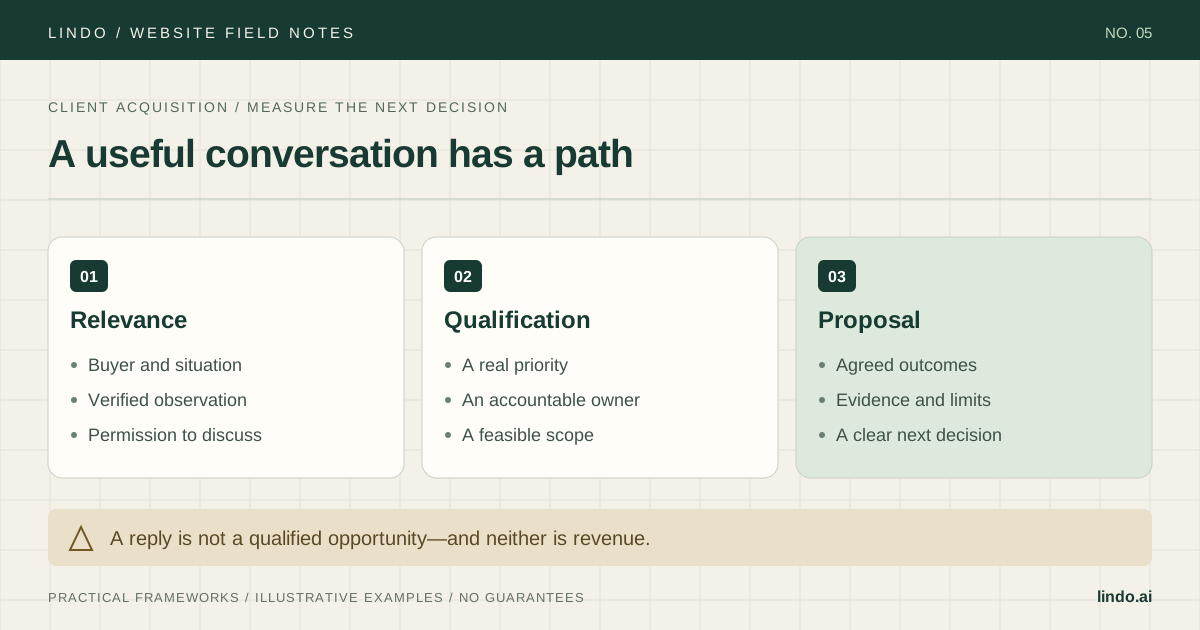
Start with people who can explain a real problem and introduce you to its owner. A referral, a local professional partnership, or a relevant conversation can be a useful entry point. Ask for a discovery discussion rather than promising a redesign will create revenue.
Before quoting, confirm the decision maker, budget range, content owner, launch constraint, existing accounts, and critical website functions. ‘We need it next week’ is not enough information to agree to a date. If the content is missing or an integration is uncertain, propose a smaller release or discovery phase.
Decline work outside your competence when you cannot arrange reliable specialist support. Complex commerce, sensitive data, or a custom application should not become a learning experiment funded by an unsuspecting client.
5. Use approval gates so problems surface early
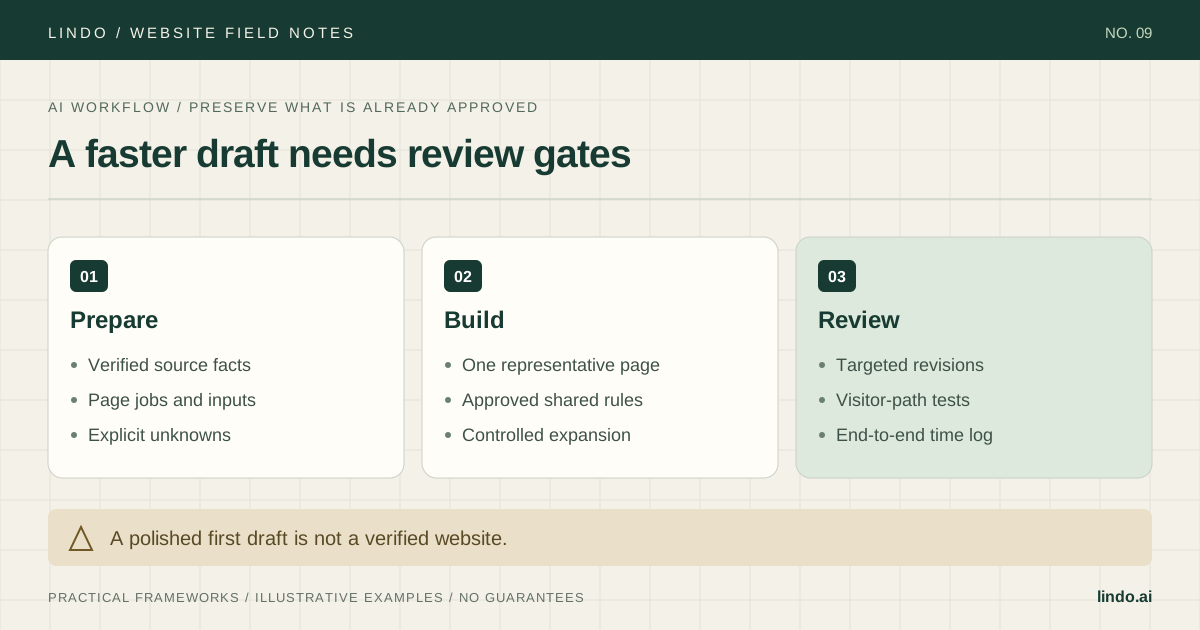
A practical sequence is brief approval, content approval, representative-page approval, full-site review, and launch sign-off. At each gate, name the approver and the evidence they are reviewing. The representative page should test the hardest common layout—not merely the easiest home-page hero.
Use one feedback location and ask the client to consolidate comments. Label corrections against the brief separately from new requests. Before launch, test the actual visitor journey on mobile and keyboard, verify submitted enquiries arrive, and record domain and platform ownership. Leave the client a short handoff document with update instructions and the support boundary.
| Gate | Evidence | Do not advance if |
|---|---|---|
| Brief | Scope, owners, exclusions | Critical function is untested |
| Content | Approved facts and assets | Claims or permissions are unresolved |
| Draft | Representative responsive page | Layout direction is not approved |
| Launch | Test results and sign-off | Enquiry path fails |
6. Improve one delivery cycle before taking on more
At closeout, compare the estimate with actual hours and note where the client waited on you or you waited on them. Convert repeated checks into a checklist and repeated layout work into reusable components. Do not standardize an unresolved mistake just because it happened twice.
Capacity includes sales calls, administration, revisions, and existing-client support. If you have 25 delivery hours available in a week, booking 25 hours of new builds leaves no room for a failed form or a late review. Decide what work you will reserve capacity for and stop selling starts you cannot support. Ask for permission before publishing the project or requesting an introduction.
Take it into the project
First agency project brief
Copy this into your project brief, assign an owner to each item, and attach evidence before marking it complete. No email required.
- The first offer names a buyer, required inputs, and exclusions.
- Operating commitments and project costs are understood.
- Portfolio concepts are labeled honestly and assets are approved.
- Decision maker, content owner, and critical functions are qualified.
- Approval gates and change handling are written down.
- Launch evidence, account ownership, and handoff are recorded.
- Actual delivery time informs the next project.
A practical offer, qualification, approval-gate, and delivery-retrospective worksheet.
Common questions
Do I need to hire a team first?
Not for a small offer you can reliably deliver yourself. Arrange specialist support when needed and make responsibilities clear. Hiring before understanding demand and delivery adds commitments without resolving either.
Can I start without coding?
You can build suitable marketing sites with visual tools, but you still need content, layout, accessibility awareness, domain setup, and testing skills. Recognize where a project needs expertise the builder does not replace.
How long until I get clients?
There is no reliable universal timeline. Existing relationships, proof, buyer demand, scope, and your available time all matter. Track conversations and delivery evidence instead of treating a launch-date promise as a business plan.