
Better business websites • Lindo field notes
Website vs. Social Media for Local Businesses: Give Each Channel a Job
Decide what belongs on a local-business website, social profile, and Google Business Profile using customer tasks and a practical information map.
The short answer
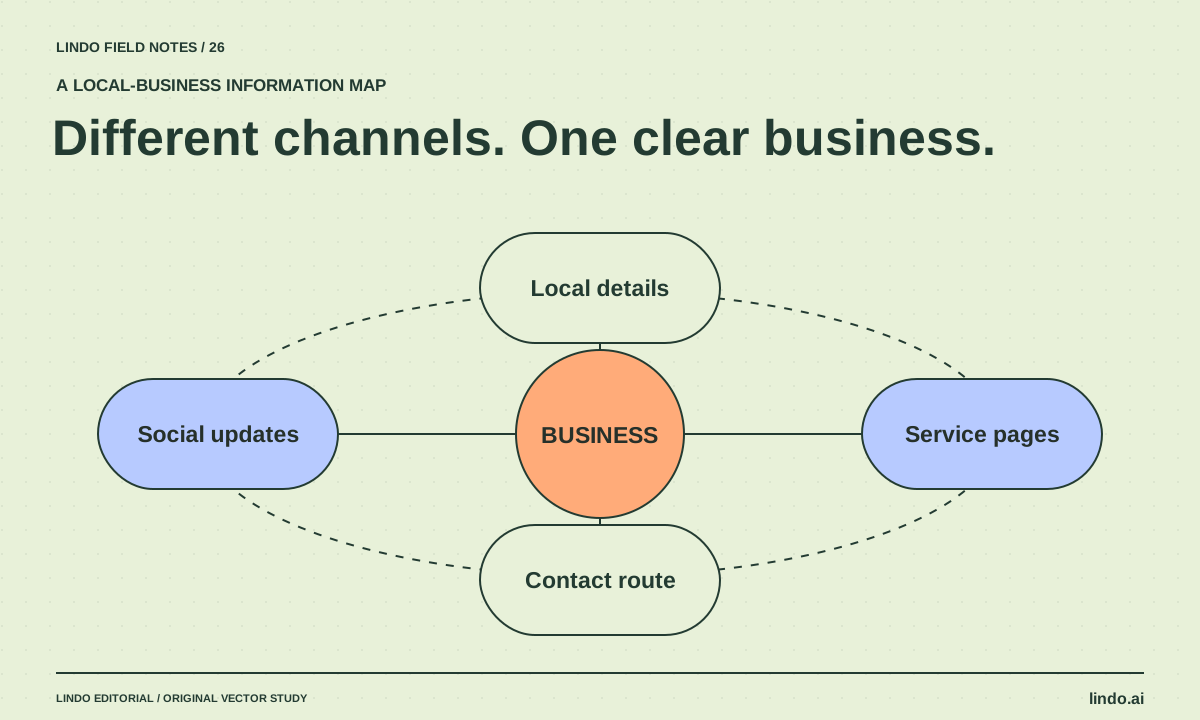
Use social media for ongoing conversation and updates, business listings for accurate local discovery information, and a website for a clear, durable explanation of the offer and next step. A small business may begin with profiles, but a website becomes useful when customers need information or actions that are awkward to manage across feeds and listings.
In this article
“Do I need a website if I already have Instagram?” is a reasonable question. A business with a small, loyal audience should not buy a complicated site just to satisfy a checklist. But a social profile and a website usually solve different customer problems.
Imagine someone who heard about a mobile dog groomer from a friend. They need to know the service area, which dogs the service can accommodate, how an appointment is requested, and what preparation is needed. If those answers are scattered across old posts, the issue is information organization—not simply a missing domain.
FIELD NOTE / 01
Map the customer’s questions to a stable destination
Separate timely updates from durable information. A last-minute opening is naturally time-sensitive. Service scope and booking conditions need a stable place customers can return to. The more exceptions your offer has, the more valuable a clear page structure becomes.
Your website does not need to reproduce every social post. It should explain the business, resolve common questions, and connect visitors to the actual action. Social channels can then point to the relevant page instead of repeatedly answering the same practical question.
| Customer need | Useful home | Maintenance task |
|---|---|---|
| See recent work or updates | Social profile | Publish current, approved material |
| Confirm local business details | Business profile and website | Keep hours, area, and contact consistent |
| Understand service scope | Website service page | Update inclusions and limitations |
| Request or book service | Verified contact or booking route | Test the actual destination |
| Read a temporary announcement | Social update plus relevant site notice | Remove or revise when it expires |
FIELD NOTE / 02
Start with the smallest useful website
For many local businesses, a concise site can cover the essentials: offer, fit, practical details, proof, and contact. Do not add a blog or dozens of location pages unless there is a real content purpose and someone to maintain them.
Use the same approved facts across channels. Google’s Business Profile guidelines emphasize accurate business representation. Do not create extra profiles or misleading locations as a substitute for a useful service-area explanation.
FIELD NOTE / 03
Include the work of keeping information current
A website is not a one-time substitute for communication. Someone must update changed hours, service limits, images, and links. A stale site alongside an active profile can create contradictions rather than confidence.
Choose a maintenance model the owner can sustain. If the owner will only make occasional edits, keep the content structure simple. If booking is already handled by a reliable provider, linking to that workflow may be more appropriate than recreating it inside a new site.
FIELD NOTE / 04
Measure whether the channels help customers act
Look at inquiries, bookings, calls, and the questions people still ask—not only followers or page views. Use labeled links where appropriate so you can distinguish visits from different channels, and keep measurement consistent with your privacy choices.
Do not assume that launching a website automatically creates demand. A site can make existing interest easier to understand and act on, while discovery still depends on the business’s broader marketing and reputation. Set a modest, observable goal such as reducing confusion about service coverage.
FIELD NOTE / 05
Choose a website when it resolves a real gap
A website is especially useful when the offer needs explanation, information is scattered, or customers need a dependable contact path outside a feed. It may be less urgent when the business is testing a very small offer and existing channels already support the task adequately.
If you decide to build, use the AI brief template. Begin with customer questions and approved facts. The goal is a useful home for the business’s information, not another channel demanding content for its own sake.
Take it into your next project
Channel information map
List each important fact once, then identify where it must be kept consistent.
Business and primary customer:
Customer question:
Current place the answer lives:
Is it easy to find without scrolling a feed?
Stable website page needed?
Social update needed?
Business-profile field affected?
Owner of updates:
Primary visitor action and destination:
How we verify the action works:
Information currently contradictory:
Smallest website scope that resolves the gap:
Common questions
Can a business succeed without a website?
Yes. Some businesses operate through referrals, profiles, marketplaces, or offline channels. The decision should depend on customer needs and the operating model, not a universal rule.
Will a website replace social media?
Usually it complements it. The website can hold durable explanations and actions while social channels handle conversation, recent work, and timely updates.
Sources & further reading
Vendor links support product descriptions. Worked examples, checklists, and selection criteria are Lindo’s editorial guidance; they are not customer results or controlled benchmarks.
Better business websites
Restaurant Website vs. Online Ordering Platform: You May Need Both
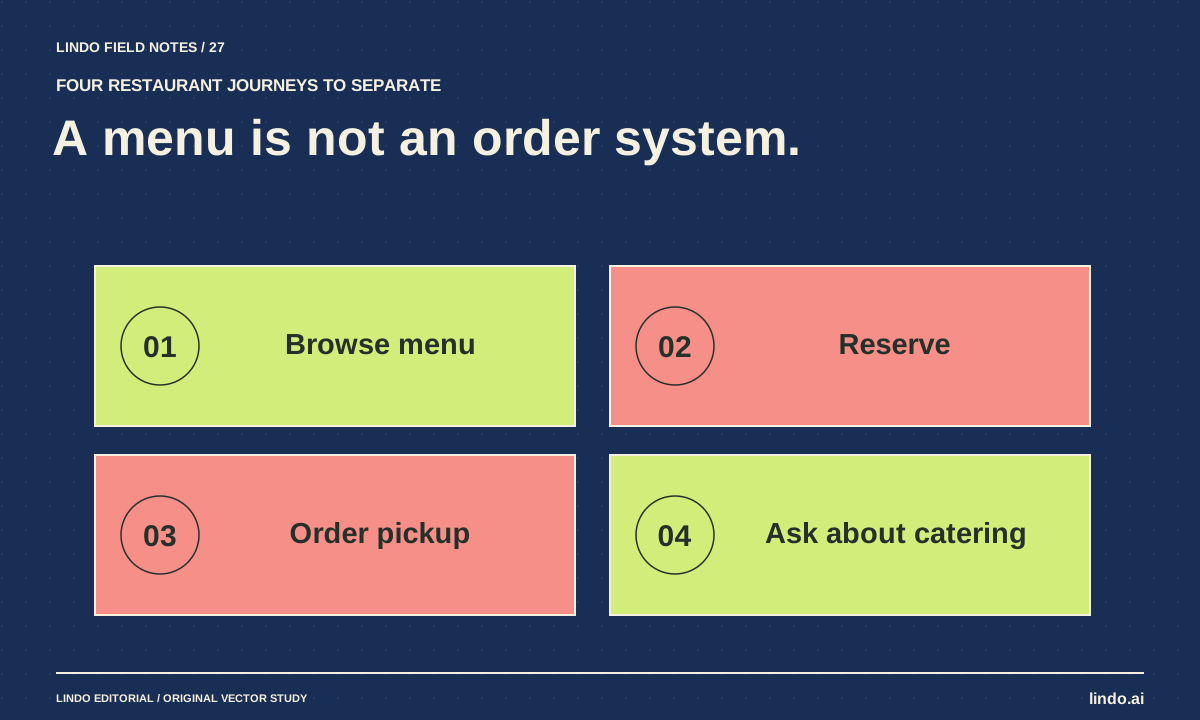
Separate menu discovery, reservations, and order fulfillment before choosing a restaurant website or ordering platform. Includes a guest-journey checklist.
Better business websites
How to Tell If a Business Needs a New Website—or Just a Few Repairs
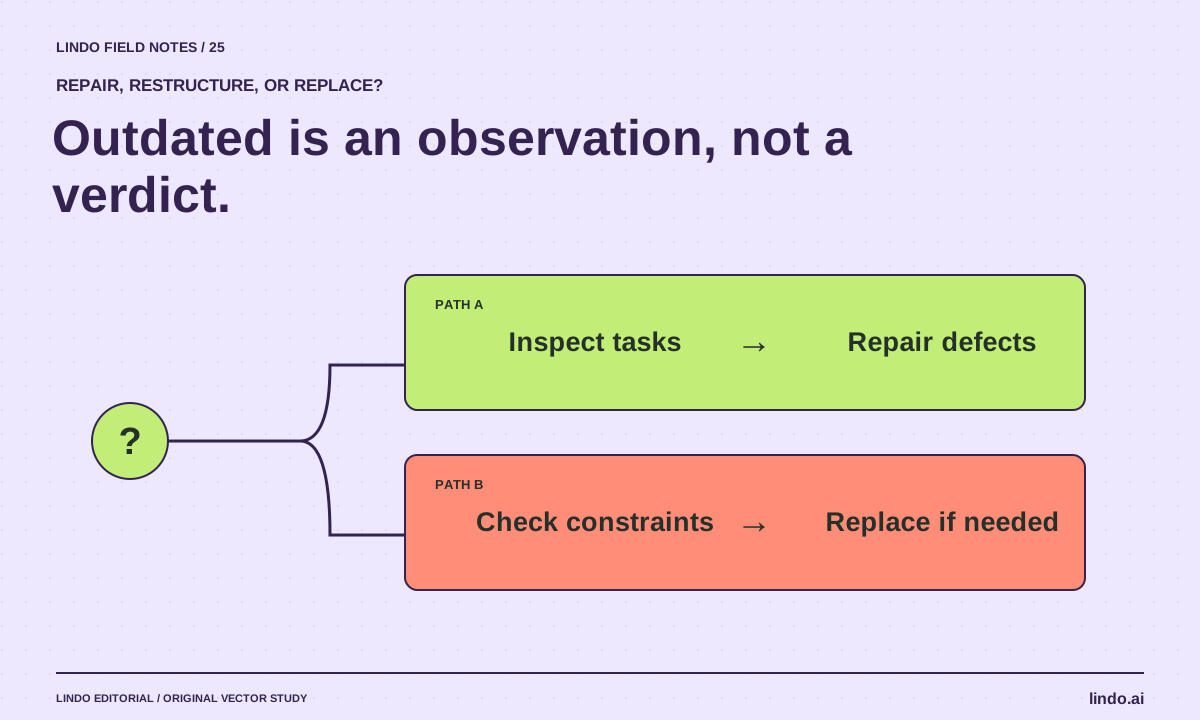
Audit an outdated-looking business website using visitor tasks, content accuracy, forms, and maintenance needs before recommending a rebuild.
Better business websites
How to Collect Website Content from Clients Without Endless Follow-Ups
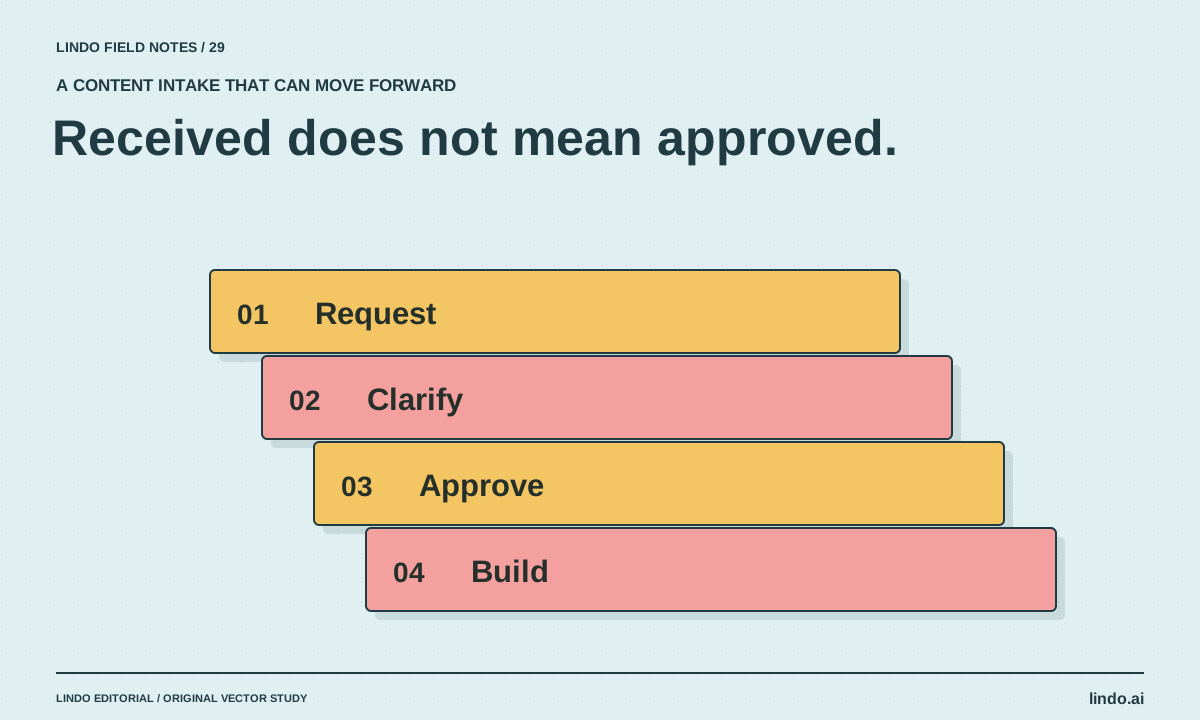
Use a page-based content request, named owners, approval status, and a launch-gap list to gather website copy and assets efficiently.