
Field notes for people who build websites.
AI explained, tools compared, and practical ways to turn a better brief into a website that works. Plus our agency, white-label, and migration guides.
The website workbench / 30 field notes
Better questions. More useful websites.
Understand the AI tools, build a clearer first draft, and solve the practical problems around a website. Every field note includes a worked example, a decision framework, or a worksheet to use in your next project.
AI explained
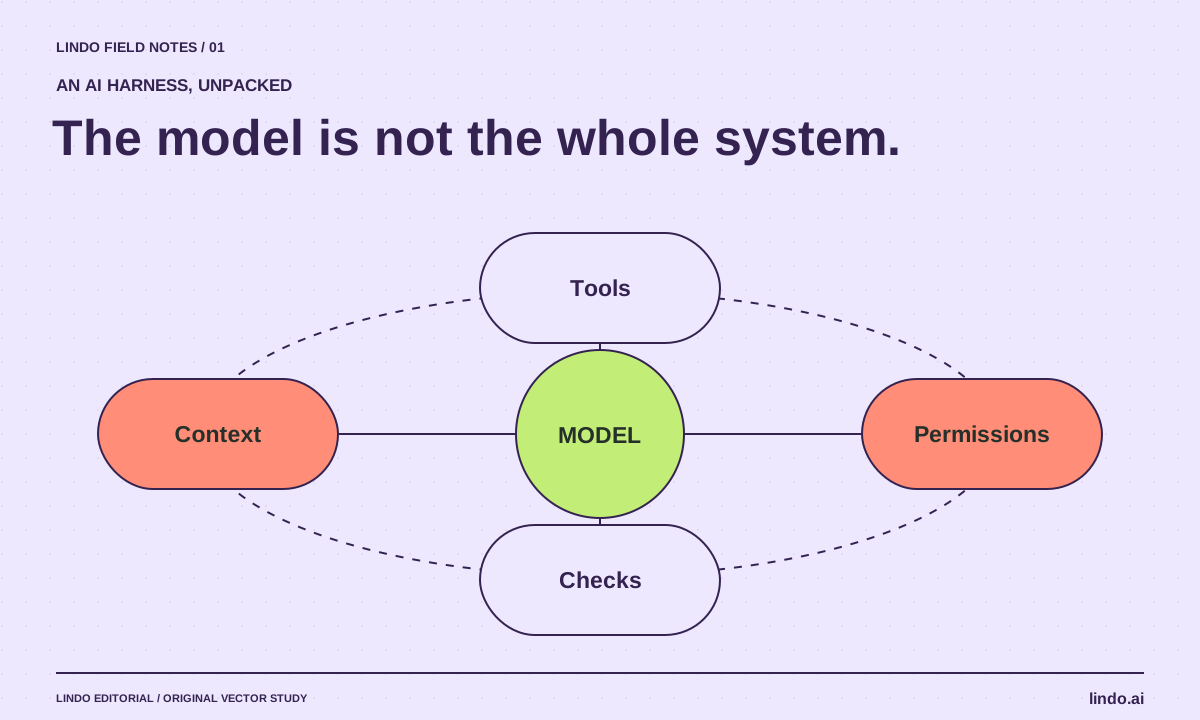
What Is an AI Harness? The System Around the Model
Understand AI harnesses through a website-building example: tools, context, permissions, checkpoints, and the tests that keep an agent on track.
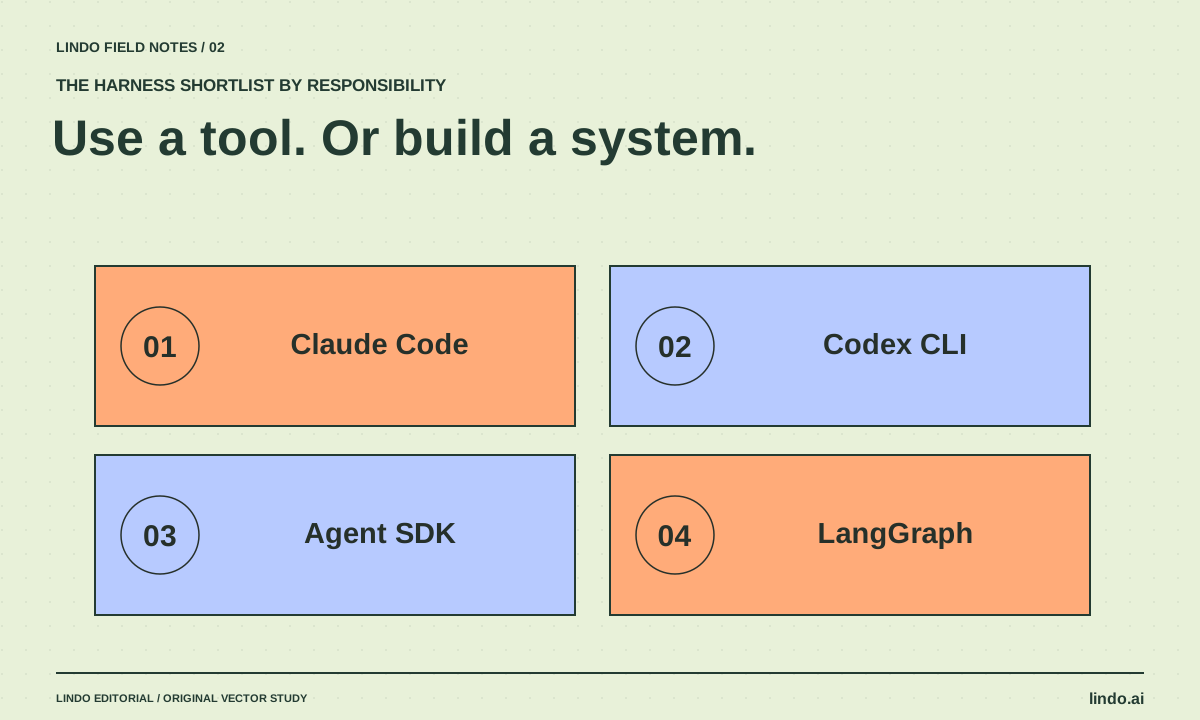
AI Harness Tools in 2026: What to Use—and What to Build
Compare Claude Code, Codex CLI, Claude Agent SDK, and LangGraph by the work you need to own. Includes a practical evaluation task.
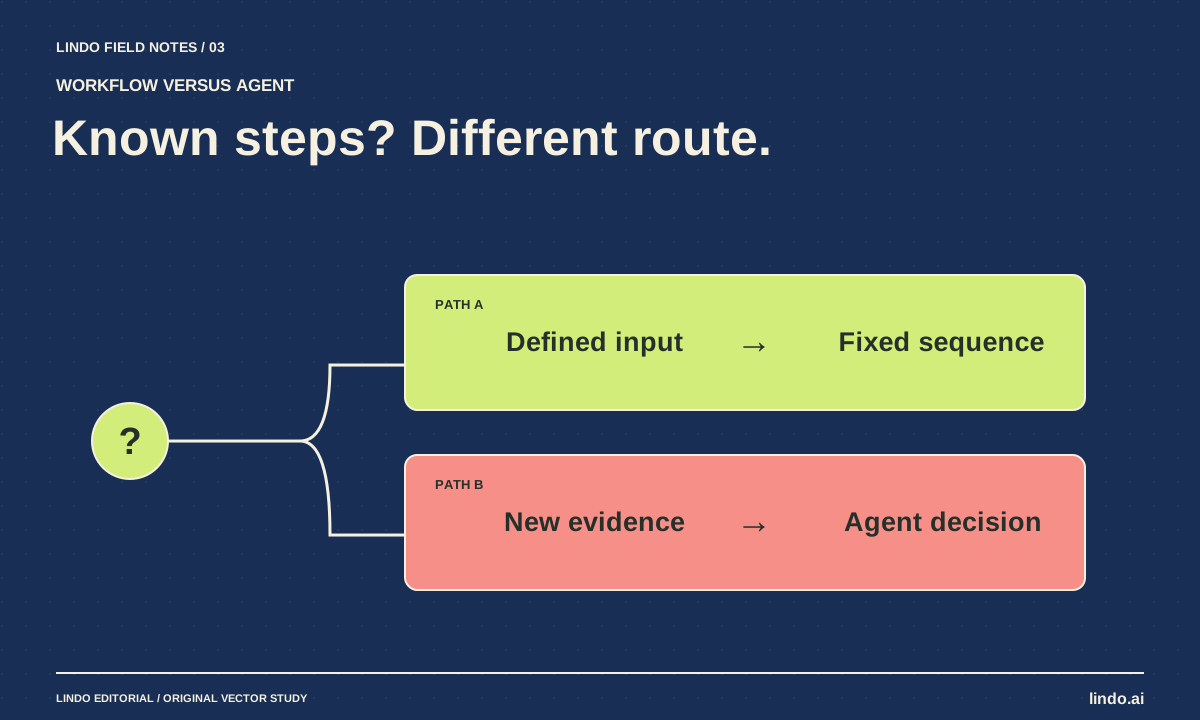
AI Agent vs. Workflow: Which Does Your Website Project Need?
Choose between predictable automation and agent-led work using three website examples, a failure test, and a practical decision worksheet.
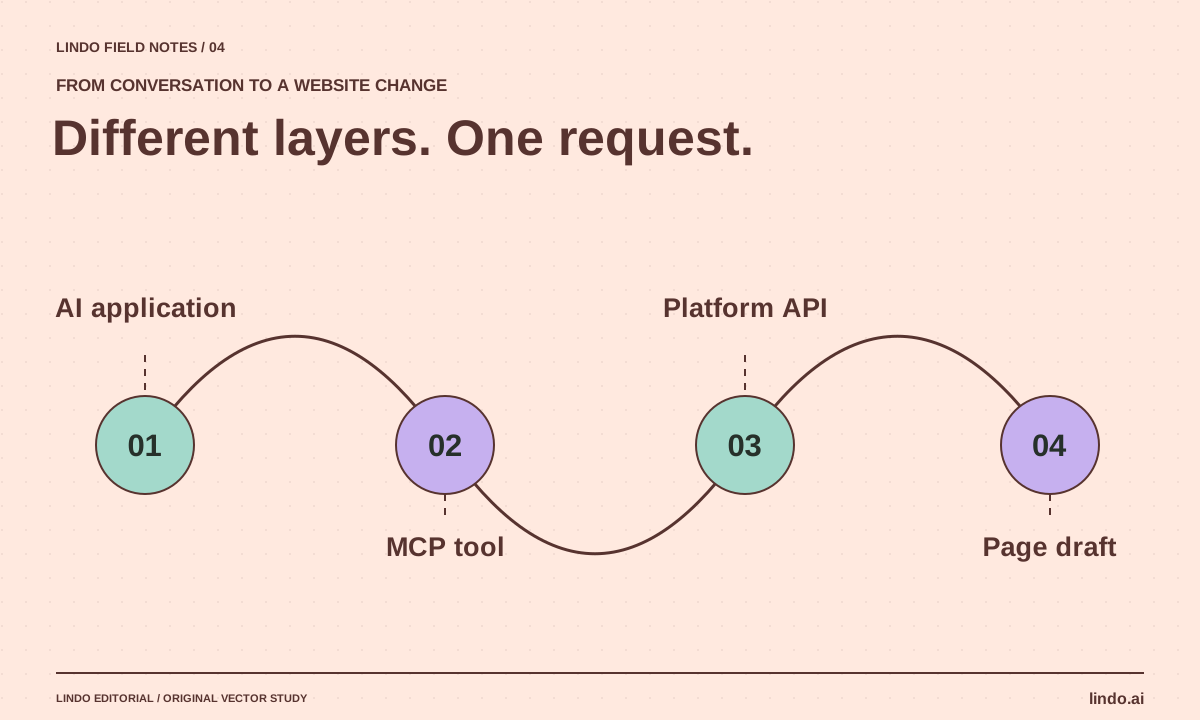
MCP vs. API for Website Automation: How They Fit Together
See where MCP ends and your website API begins. Includes a publish-action example, access checklist, and integration decision table.
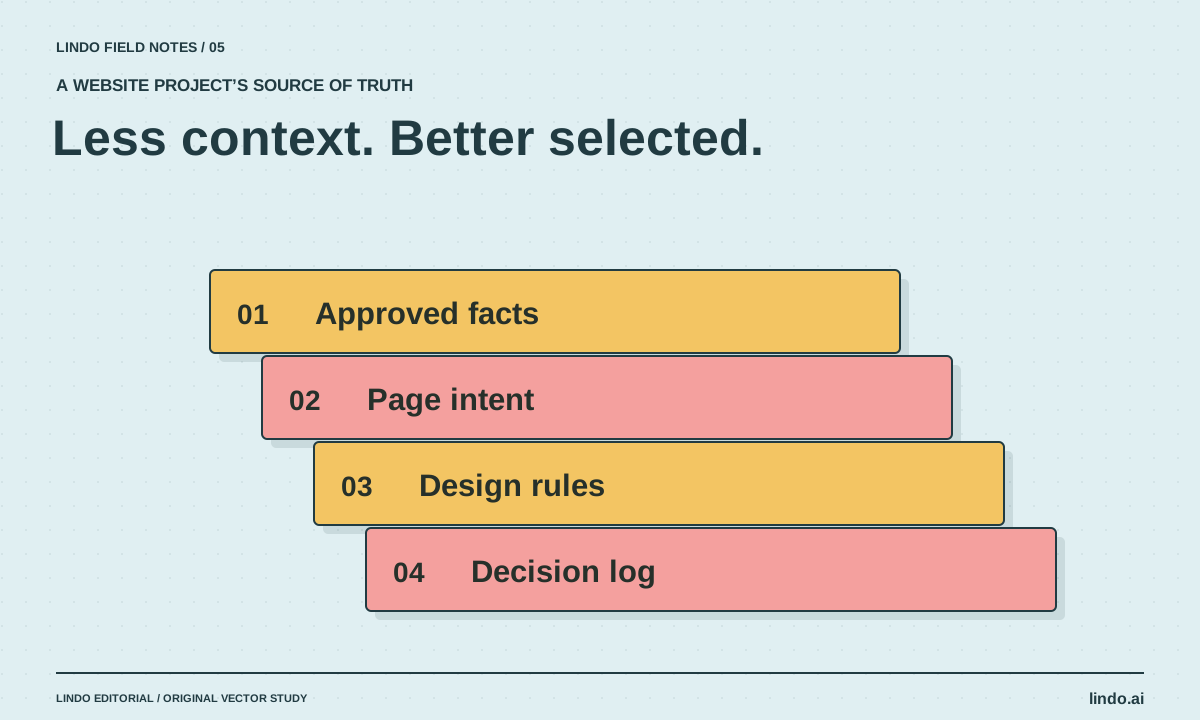
Context Engineering for Website Projects: Give AI the Right Evidence
Build a compact context pack with approved facts, page intent, brand rules, and decision records so AI website work stays grounded.
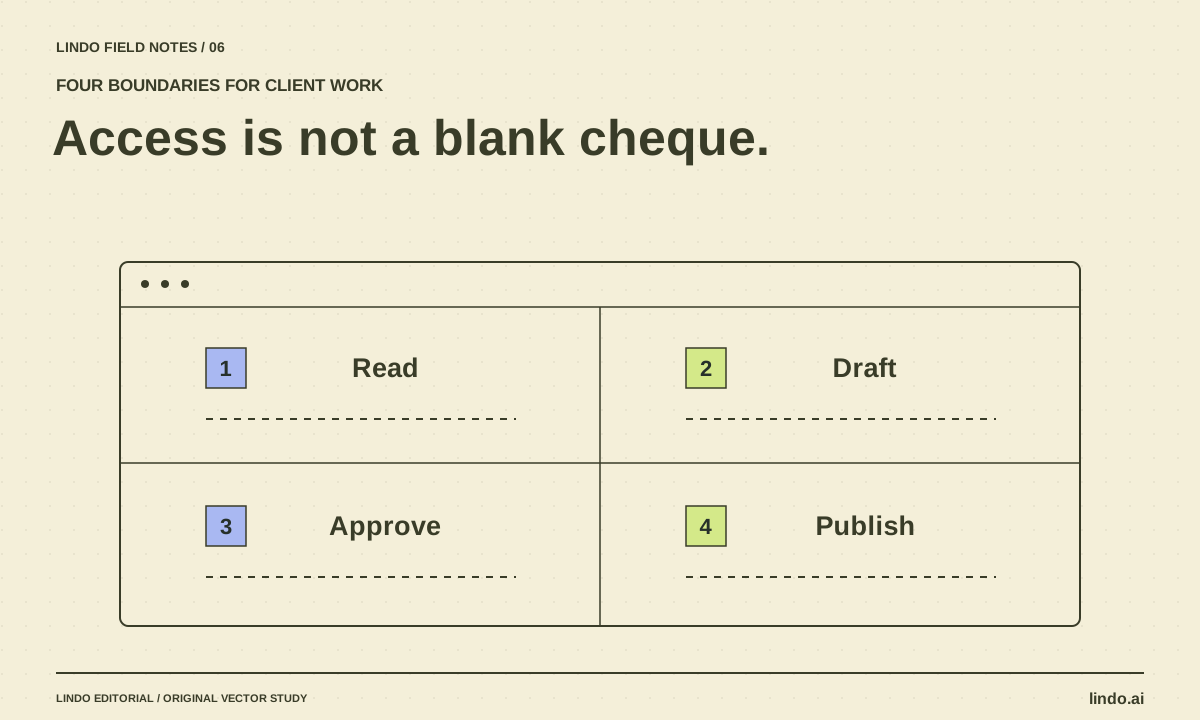
AI Agent Permissions for Client Work: A Practical Access Matrix
Define what an AI assistant may read, draft, change, and publish across client websites. Includes an access matrix and approval checklist.
Build with AI
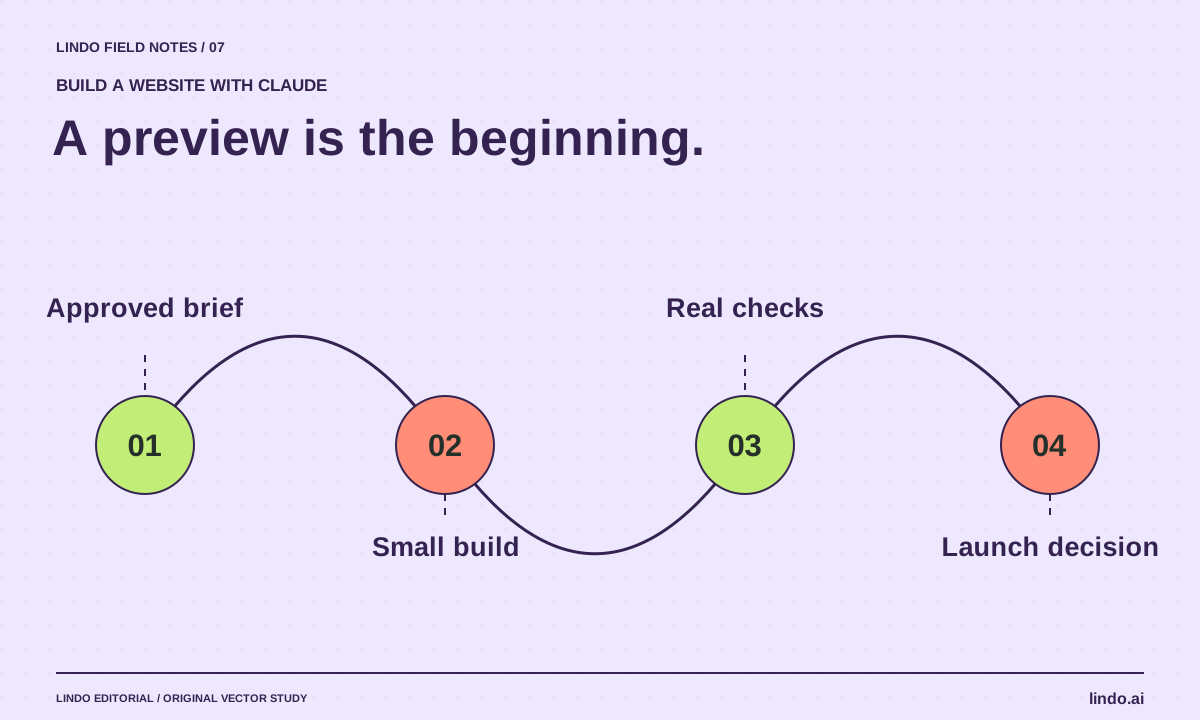
How to Create a Website with Claude: From Brief to Working Preview
Build a website with Claude using a concrete brief, an Artifact or code project, targeted revisions, and a launch checklist that catches unfinished functionality.
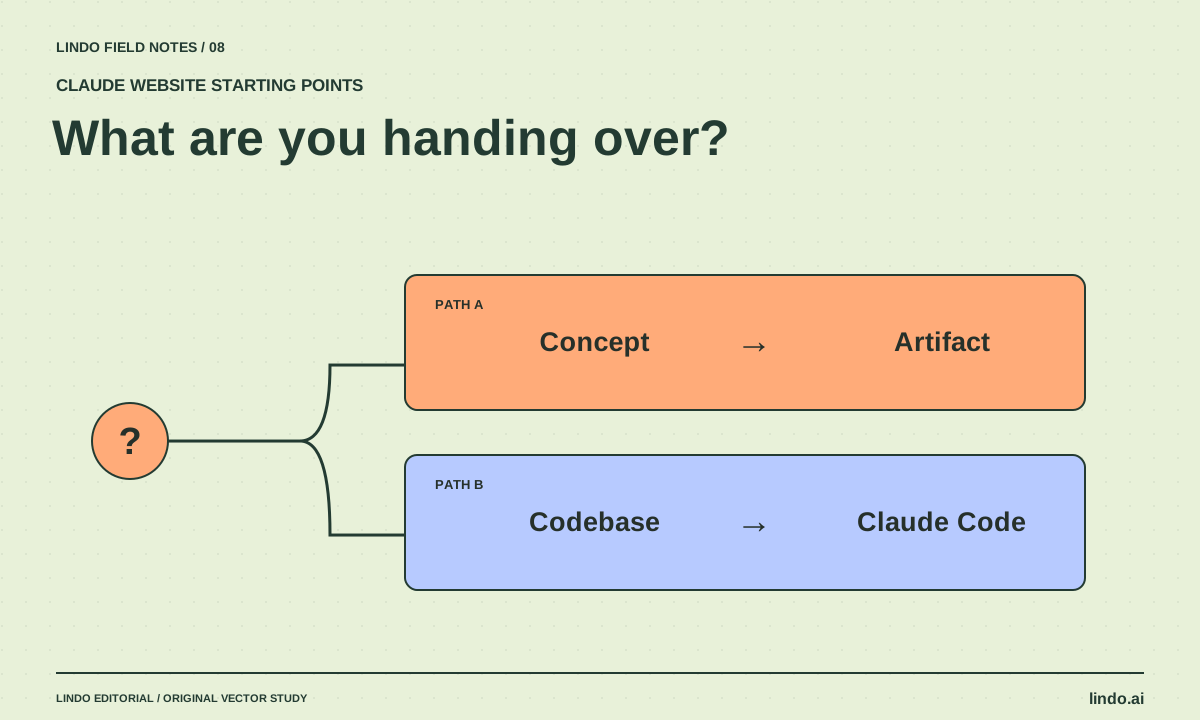
Claude Artifacts vs. Claude Code for Websites: Pick the Right Starting Point
Compare a shareable website prototype with repository-based development. Decide by maintenance, integrations, review, and publishing requirements.
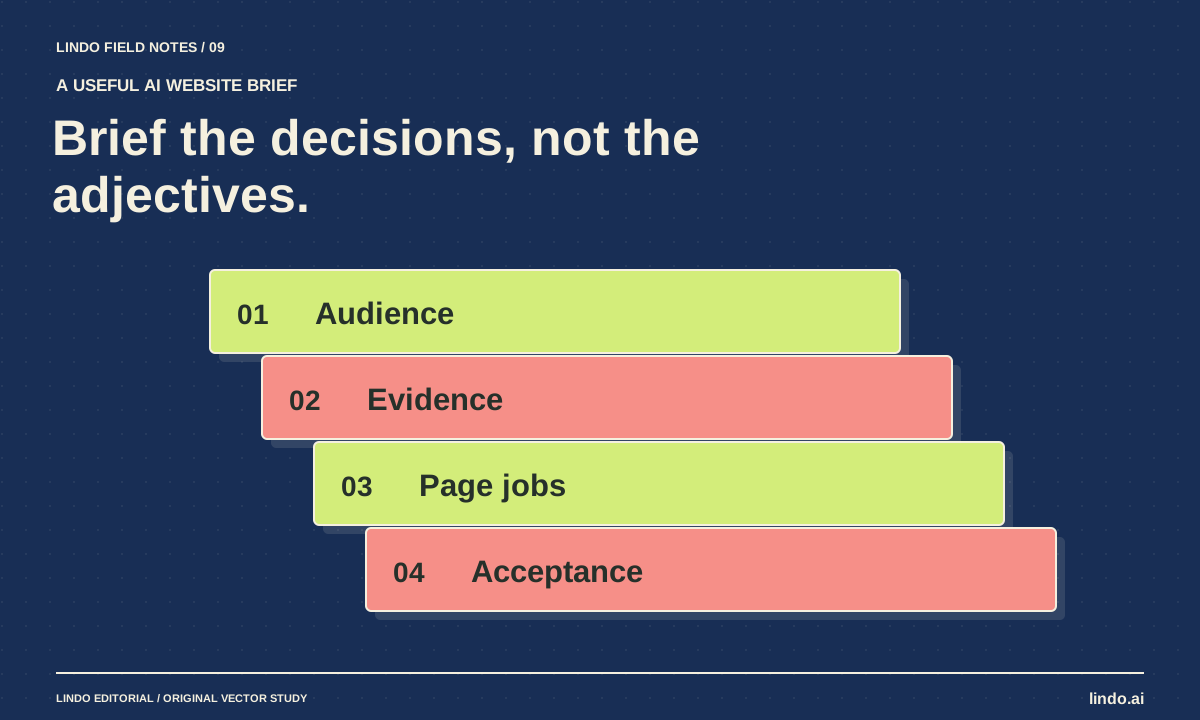
How to Write a Website Brief for AI That Produces a Useful First Draft
Replace vague website prompts with an approved brief covering audience, facts, page jobs, visual direction, and acceptance checks. Includes a copyable template.
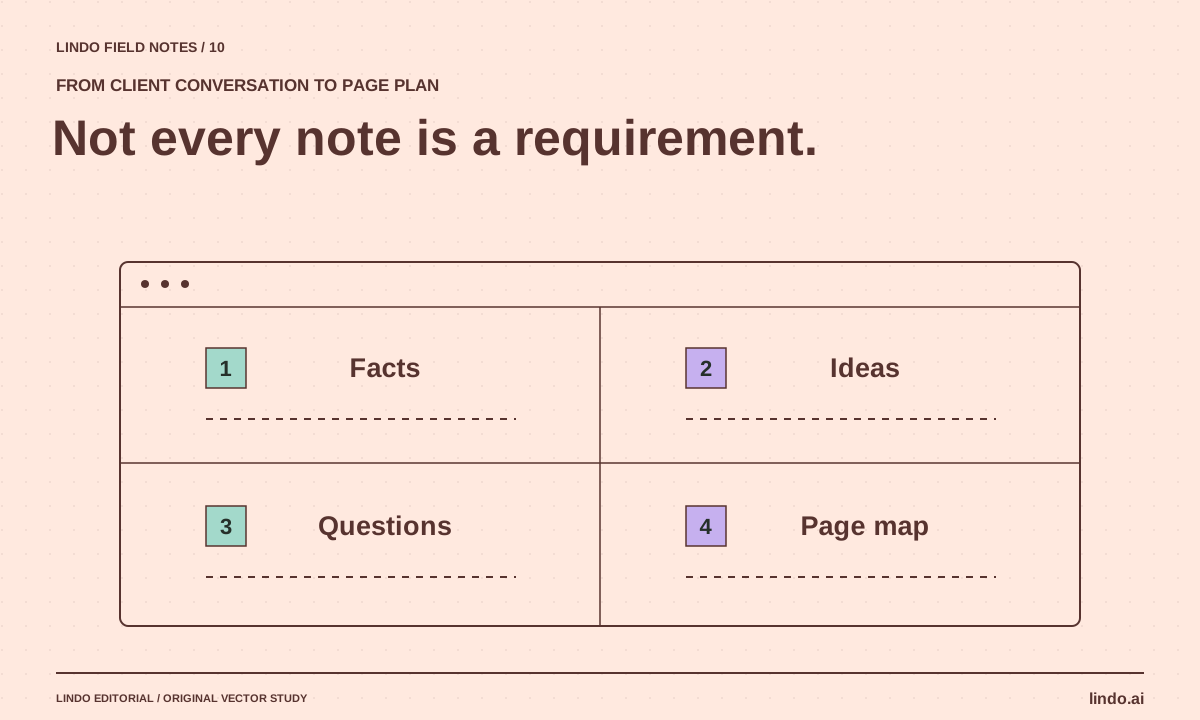
How to Turn Messy Client Notes into a Website Plan
Convert calls, emails, and documents into an approved sitemap and content plan without turning every client idea into a new page.
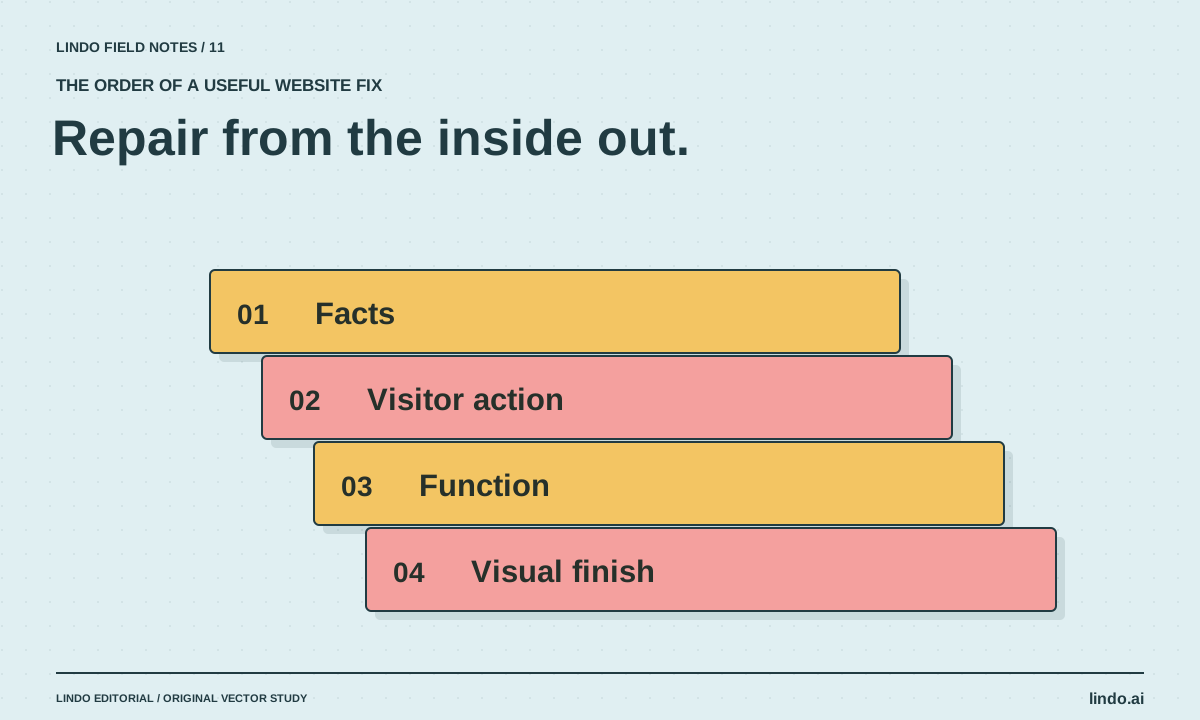
How to Fix an AI-Generated Website Without Starting Over
Diagnose weak AI website drafts in the right order: facts, visitor journey, functionality, layout, and visual polish. Includes a focused repair prompt.
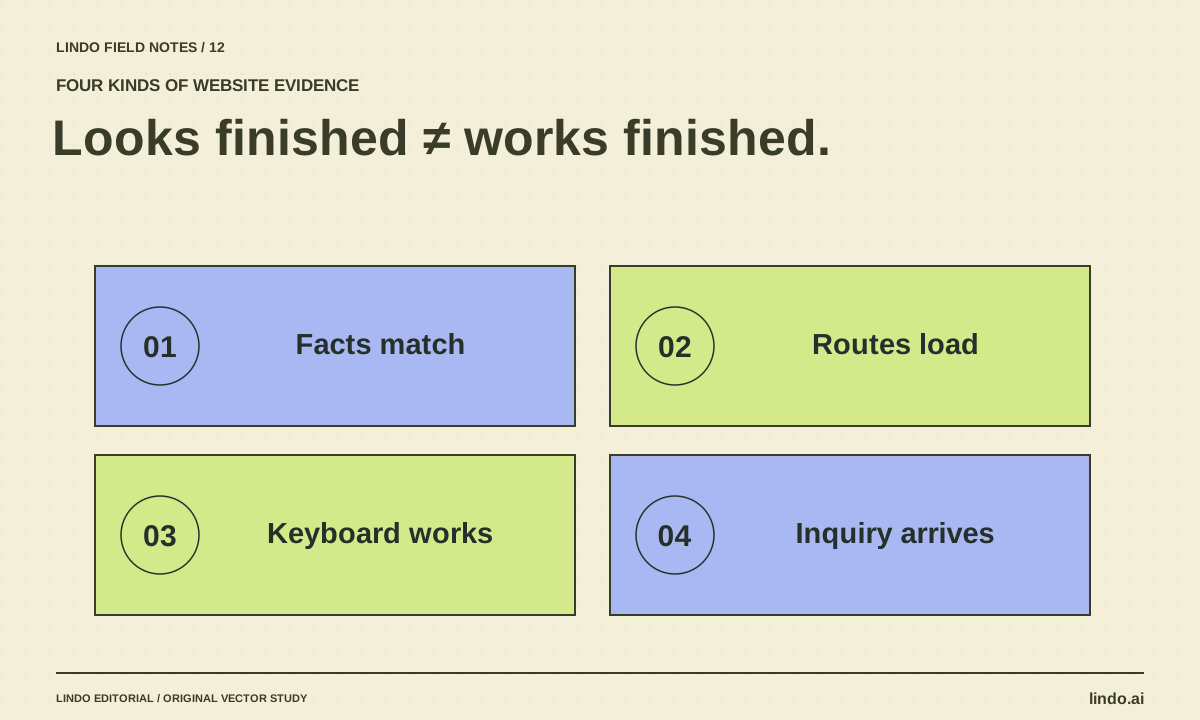
How to Test an AI-Generated Website Before a Real Visitor Uses It
A practical AI website QA guide covering facts, mobile layouts, keyboard access, forms, routes, and launch ownership—with a copyable test record.
Choose your tools
Best AI Website Builders in 2026: Choose by the Site You Need
A use-case shortlist of Wix, Framer, Squarespace, Hostinger, Webflow, and Lindo—with tradeoffs, a common evaluation task, and no invented test scores.
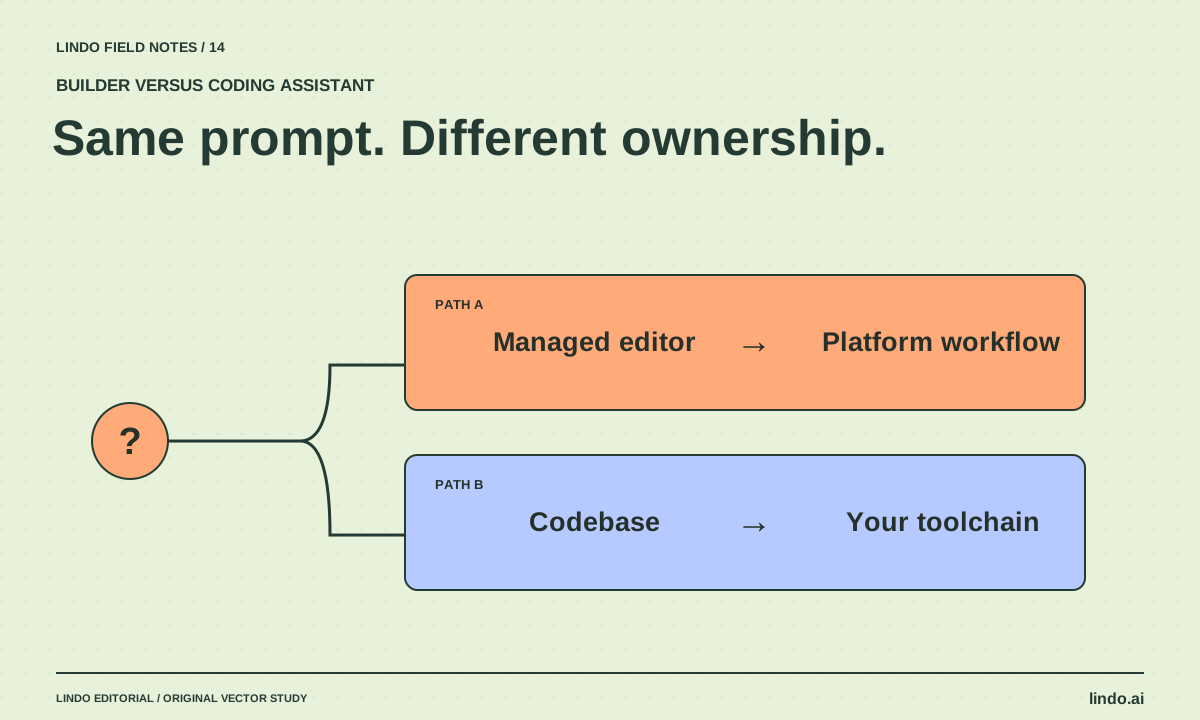
AI Website Builder vs. AI Coding Assistant: Who Owns the Work After Launch?
Compare managed builders and coding assistants by editing, hosting, integrations, maintenance, and handoff—not by how quickly a homepage appears.
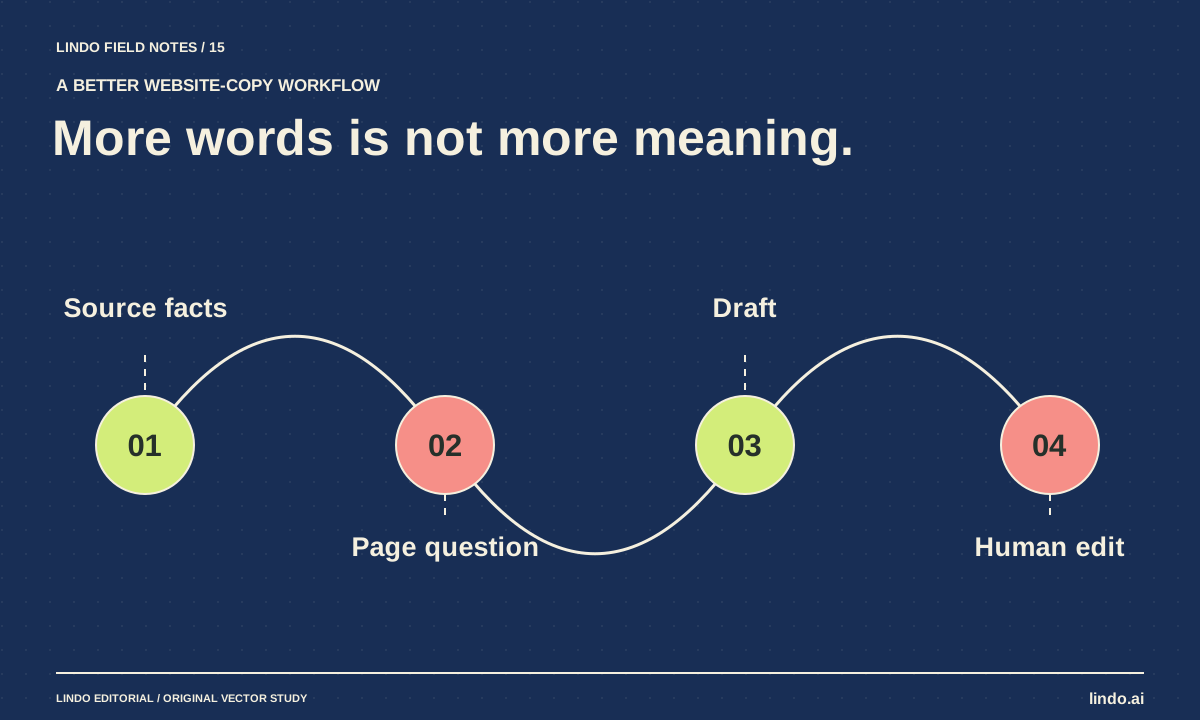
Best AI Tools for Website Copy: Choose a Writing Workflow, Not a Word Factory
Evaluate ChatGPT, Claude, and Jasper for website copy using approved facts, page intent, brand voice, and a common editing test.
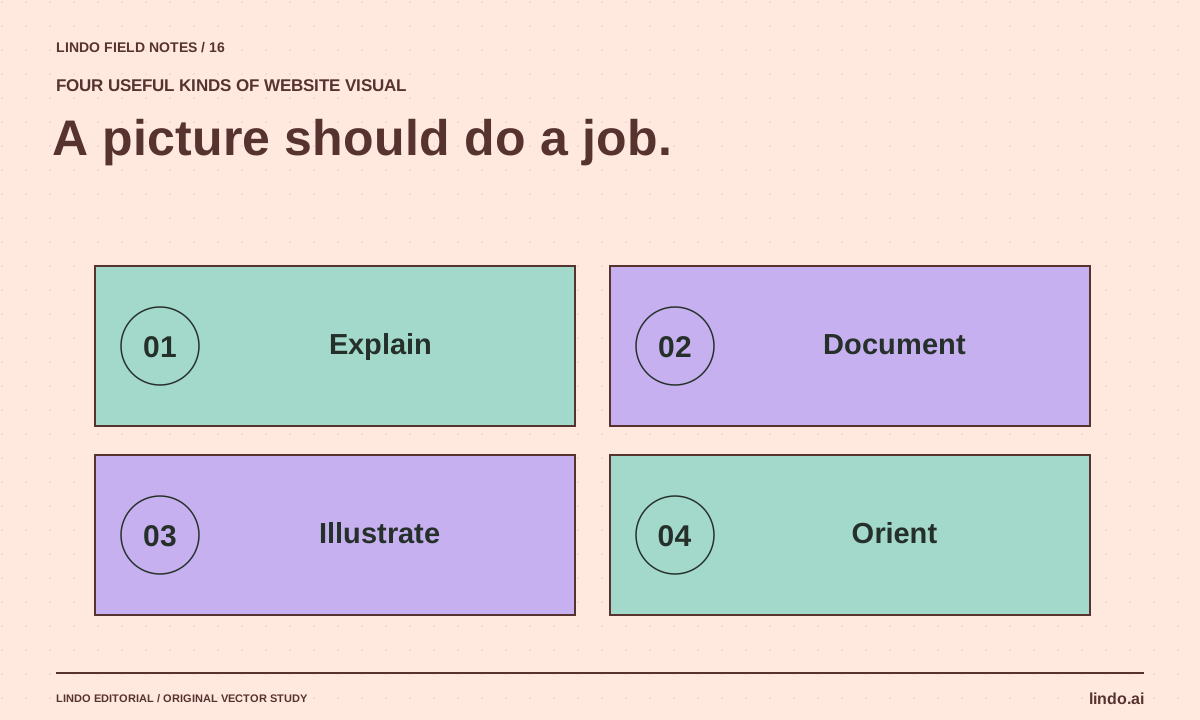
Best AI Tools for Website Images: Match the Tool to the Visual Job
Choose between ChatGPT image generation, Adobe Firefly, and Canva—and learn when a real photograph or SVG diagram is the better website asset.
Best AI Tools for Website Prototypes: What Each Preview Can Prove
Compare Claude Artifacts, v0, Lovable, and Framer for website prototyping, with a common brief and a checklist for separating a demo from a deliverable.
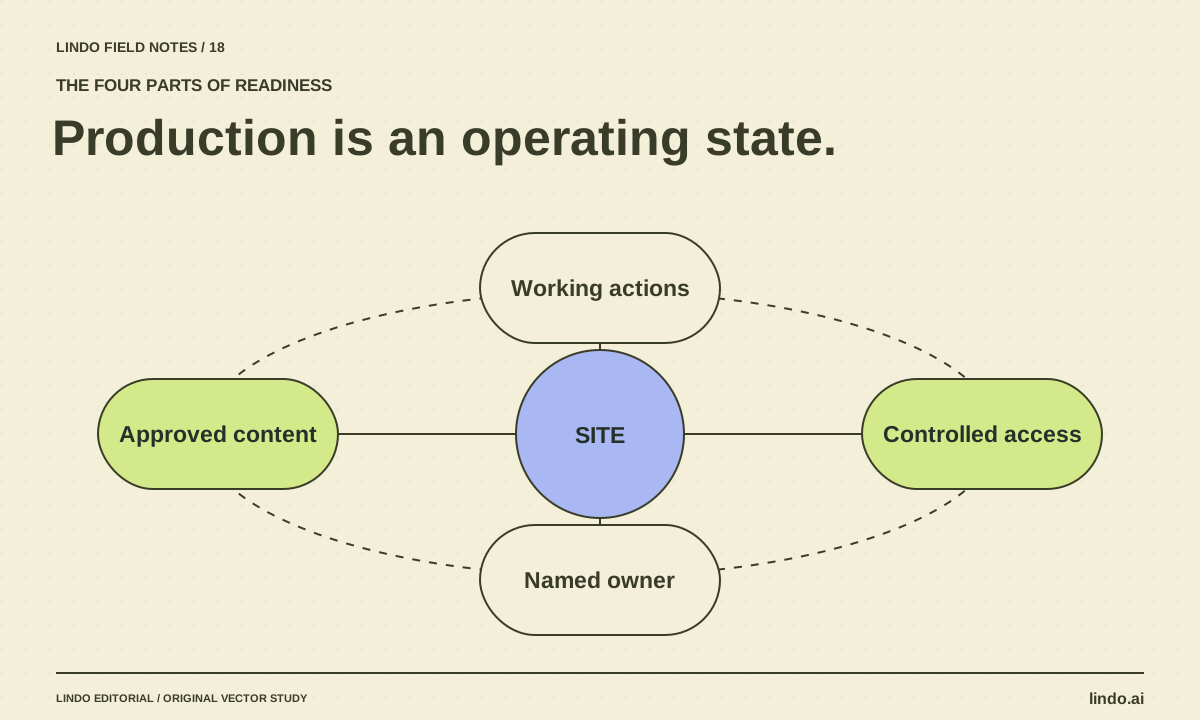
Can AI Build a Production-Ready Website? The Missing Ownership Checklist
AI can produce much of a website, but readiness depends on verified content, working services, access, recovery, and maintenance. Use this release checklist.
Creative workflows
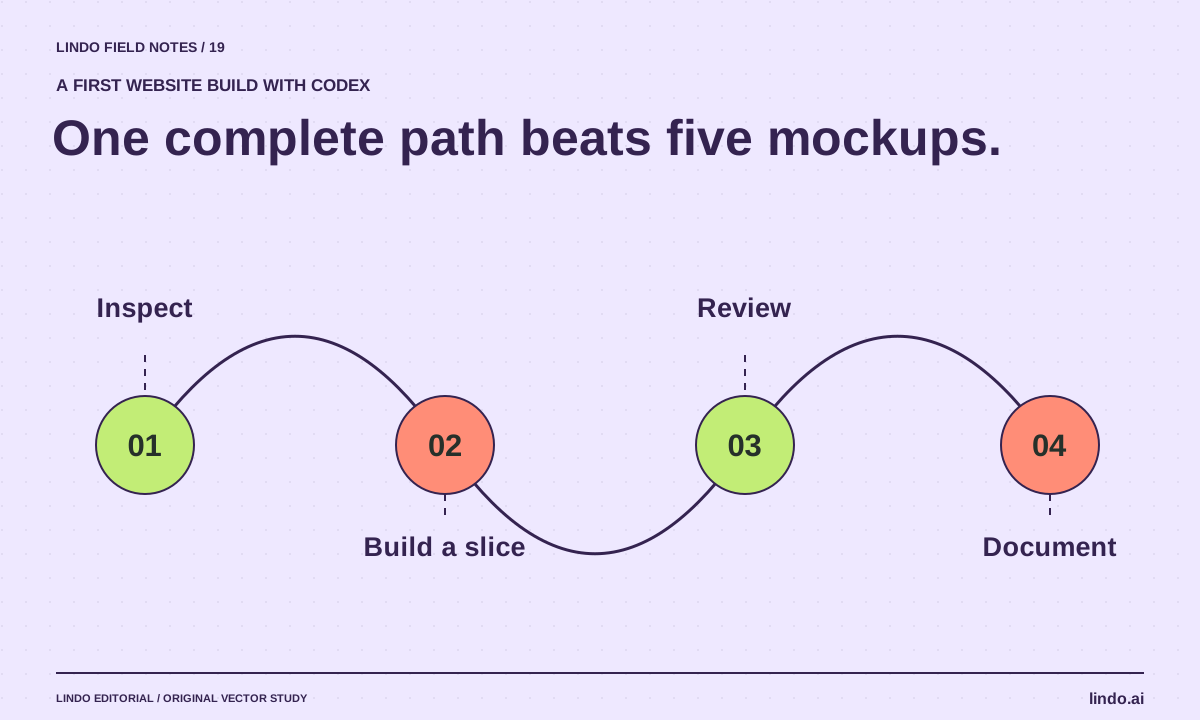
How to Create a Website with Codex: A Small, Reviewable First Build
Use Codex to build a website from approved facts, inspect the project, work in checkpoints, and verify a real preview before choosing a deployment path.
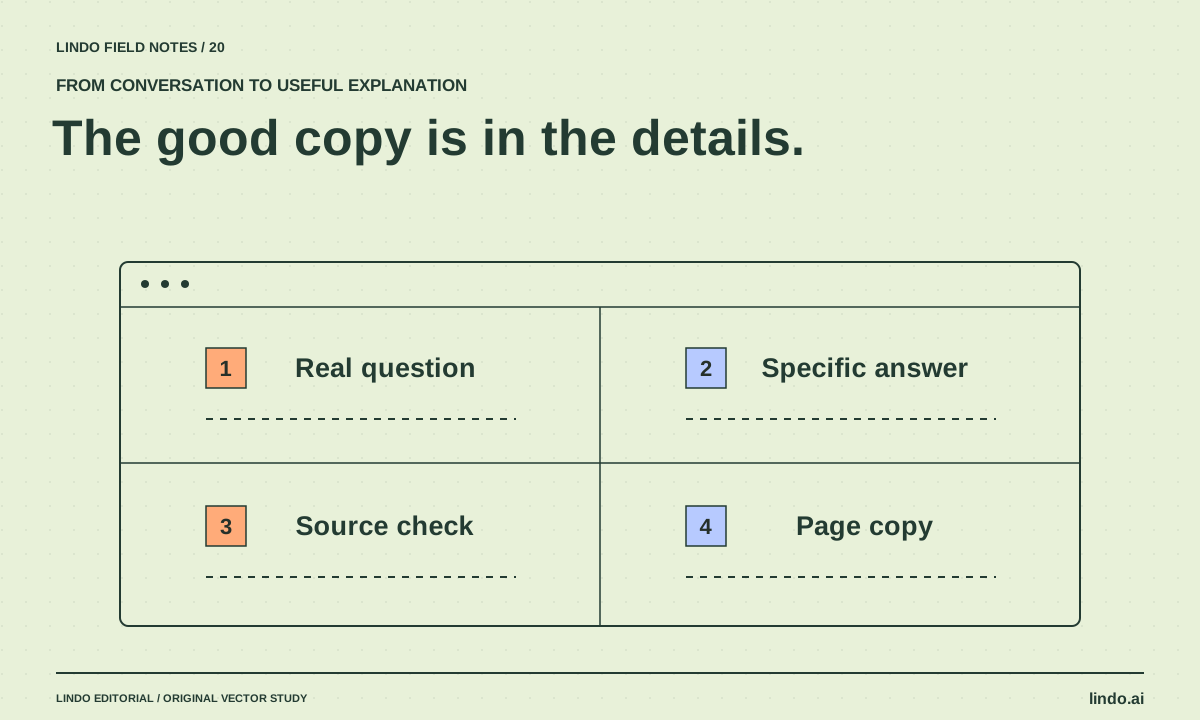
Turn a Client Interview into Website Copy People Can Actually Use
Ask better client questions, extract specific evidence, and turn an interview into clear service copy without manufacturing testimonials or promises.
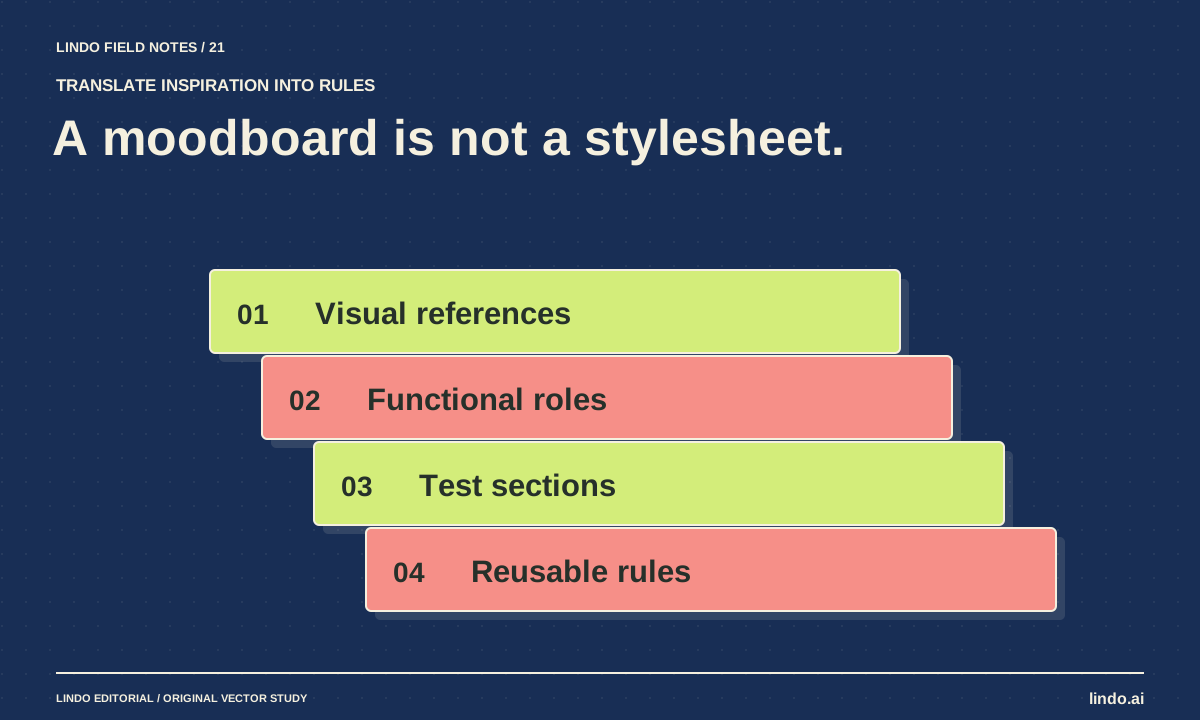
How to Turn a Brand Moodboard into a Website Design System
Translate visual references into typography, color roles, spacing, imagery, and component rules that an AI builder can apply consistently.
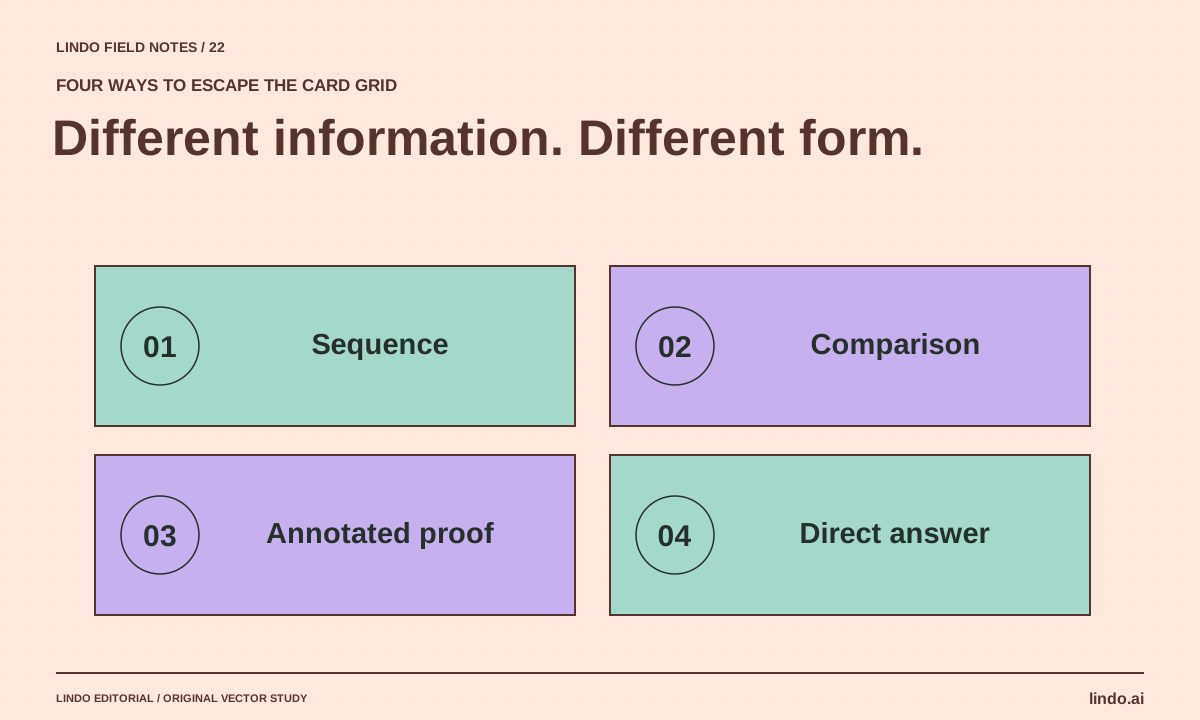
How to Make AI Websites Look Less Generic
Replace default hero-and-card layouts with a clear editorial idea, distinctive evidence, varied section rhythms, and useful original visuals.
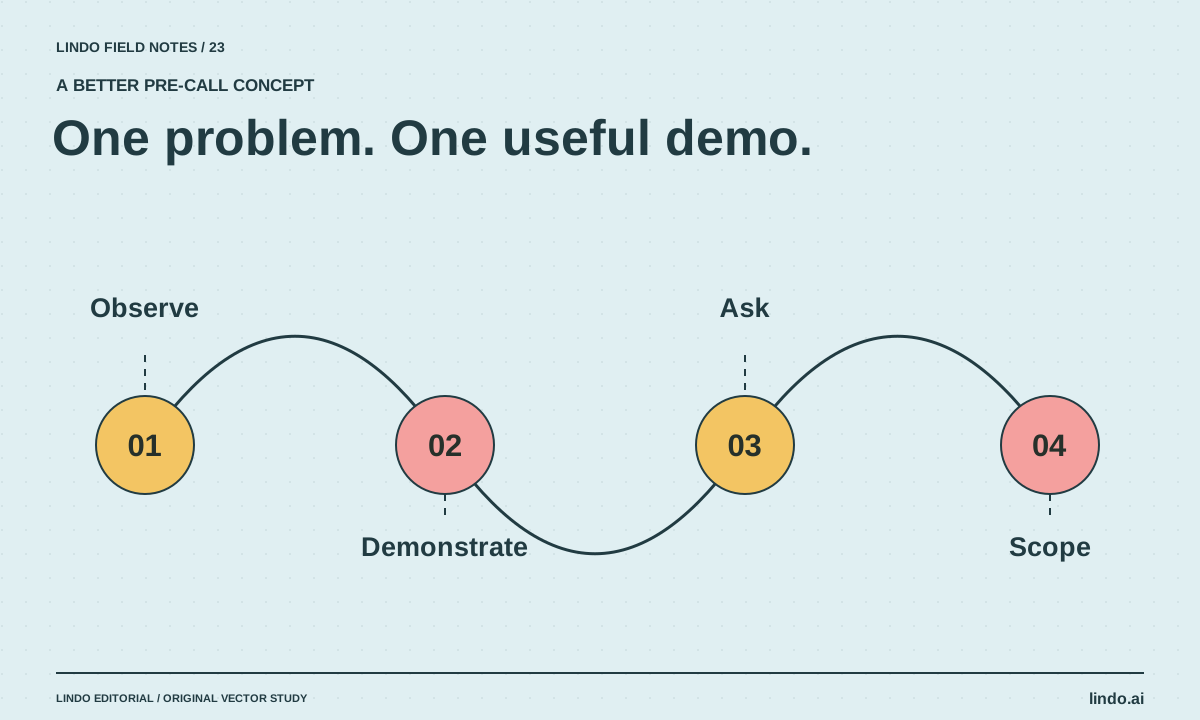
How to Build a Useful Website Demo Before a Sales Call
Create a small, clearly labeled website concept that demonstrates one improvement without copying assets, inventing results, or doing an unpaid full build.
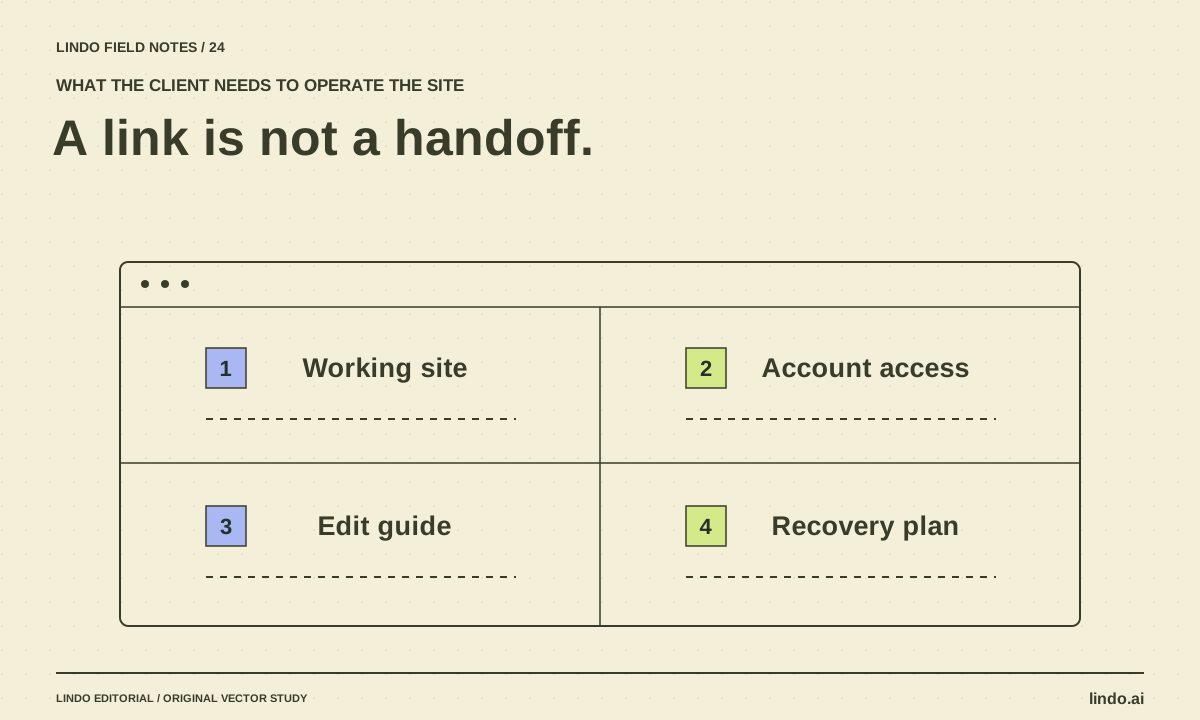
How to Turn an AI Prototype into a Client Handoff
Convert a promising website preview into an operable deliverable with content approval, integrations, account ownership, editing instructions, and recovery.
Better business websites
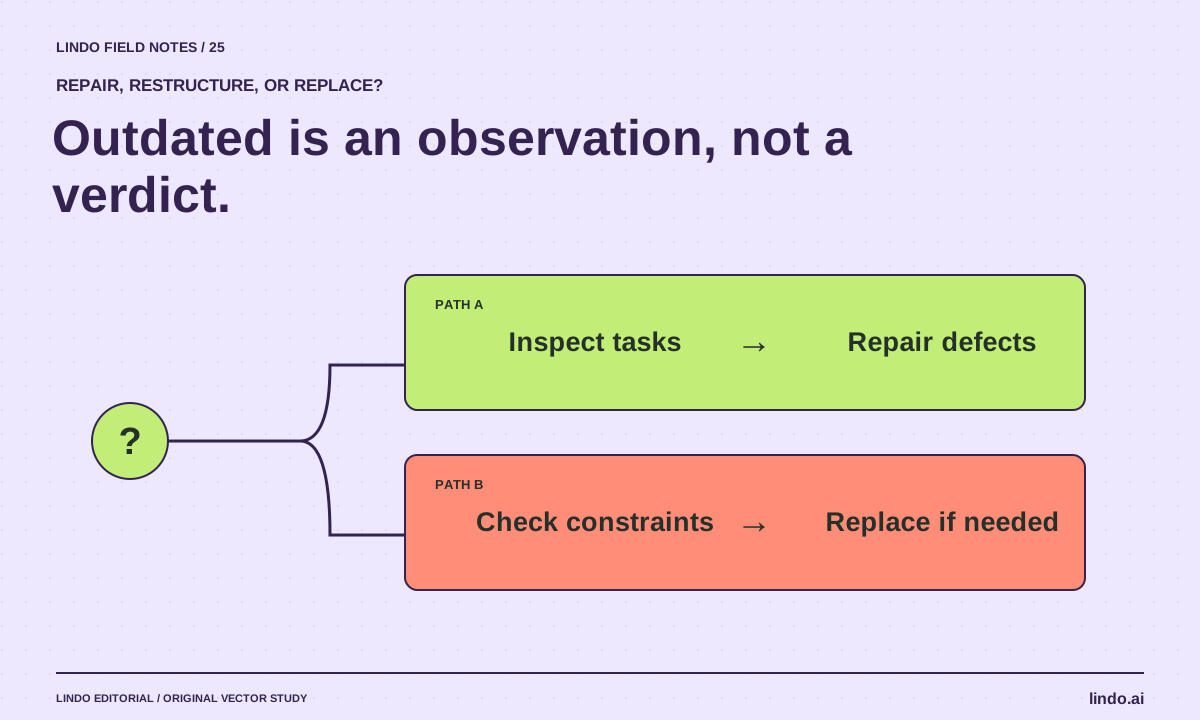
How to Tell If a Business Needs a New Website—or Just a Few Repairs
Audit an outdated-looking business website using visitor tasks, content accuracy, forms, and maintenance needs before recommending a rebuild.
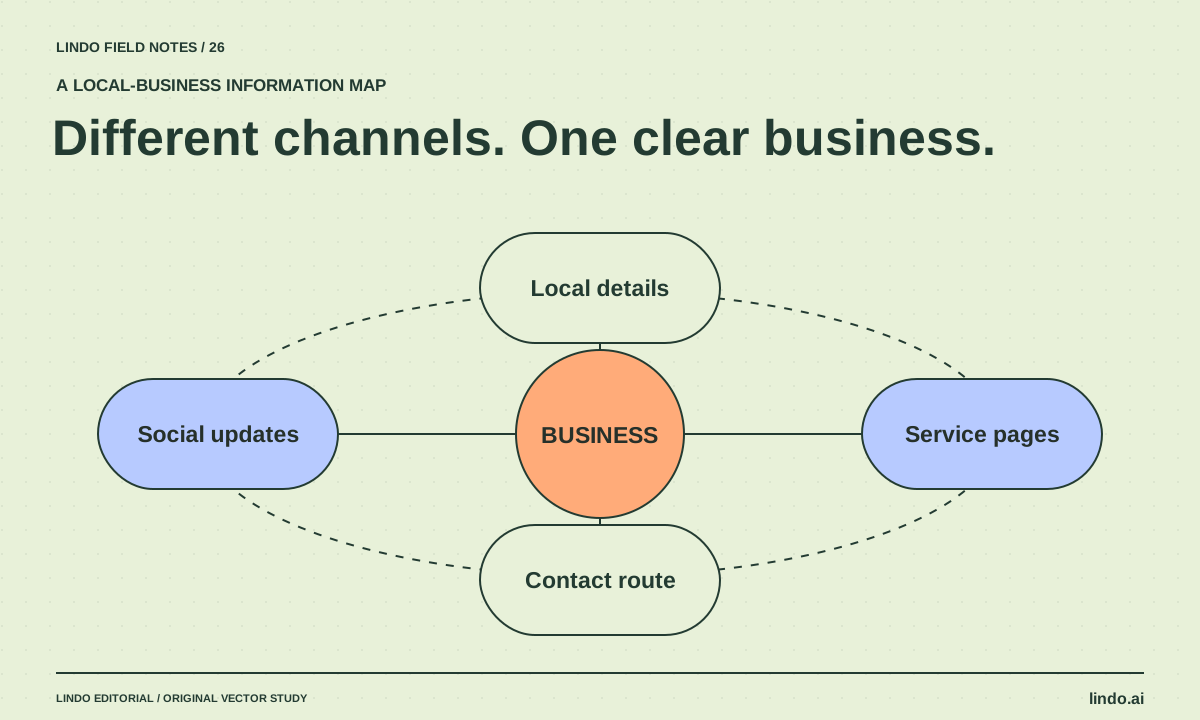
Website vs. Social Media for Local Businesses: Give Each Channel a Job
Decide what belongs on a local-business website, social profile, and Google Business Profile using customer tasks and a practical information map.
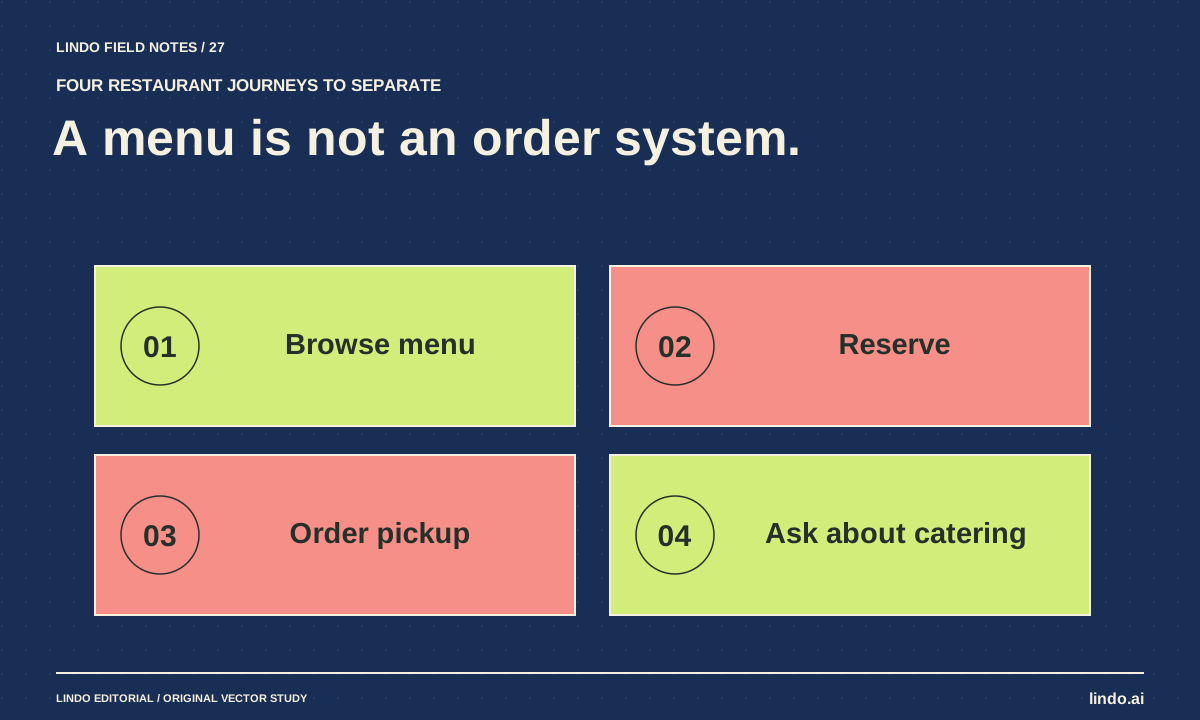
Restaurant Website vs. Online Ordering Platform: You May Need Both
Separate menu discovery, reservations, and order fulfillment before choosing a restaurant website or ordering platform. Includes a guest-journey checklist.
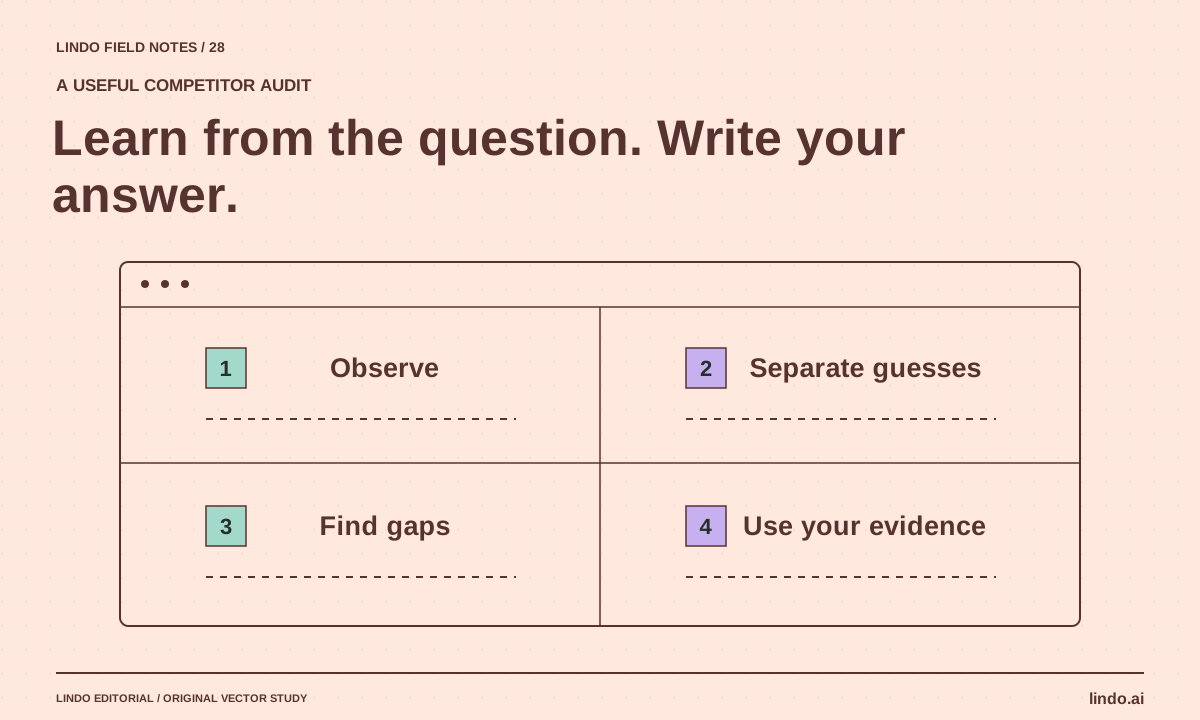
How to Audit a Competitor’s Website Without Copying It
Study public competitor websites for unanswered customer questions, content structure, and useful evidence—without inventing traffic estimates or copying assets.
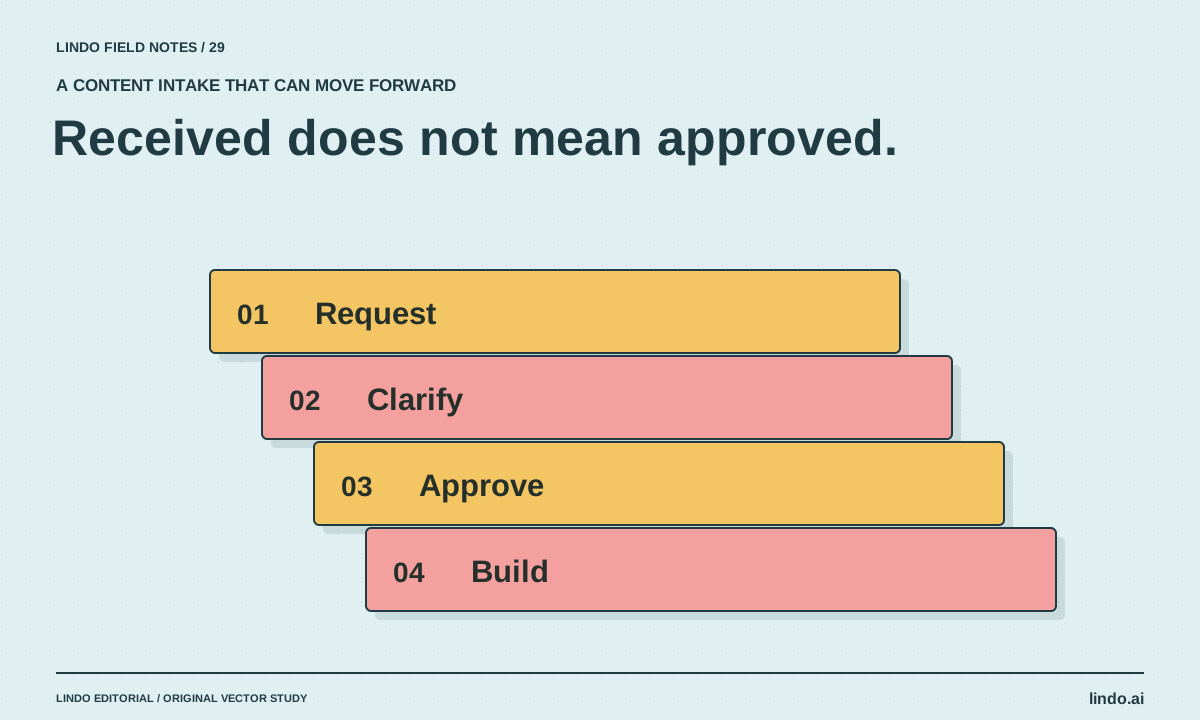
How to Collect Website Content from Clients Without Endless Follow-Ups
Use a page-based content request, named owners, approval status, and a launch-gap list to gather website copy and assets efficiently.
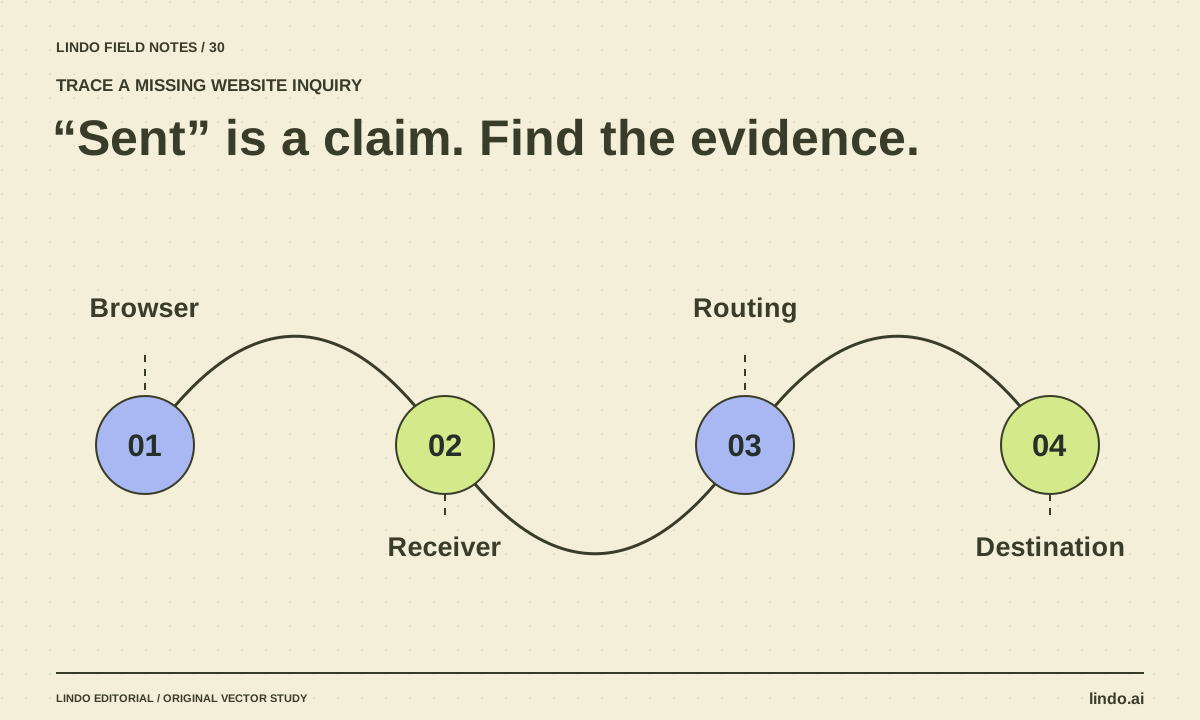
Why AI Website Forms Don’t Work—and How to Trace a Missing Inquiry
Trace a generated contact form from browser validation to server handling and inbox delivery. Find fake success states, missing endpoints, and routing errors.
The migration field guides
Move the website. Keep the business working.
Platform-specific exit plans, practical checklists, and the details an AI-generated preview cannot verify. Start with your current builder—or plan the whole agency rollout.
Agency operations
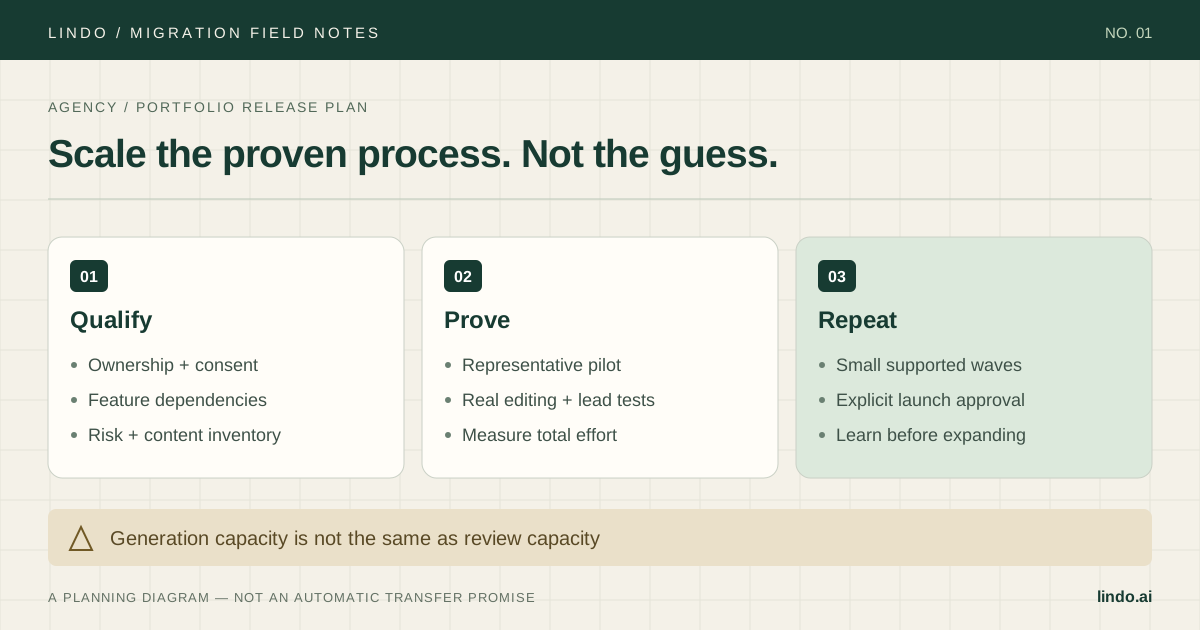
An agency playbook for migrating client websites to AI builders
Plan client website migrations in controlled waves: scope dependencies, estimate pilot effort, assign owners, approve cutovers, and hand off the new workflow.
Read the guide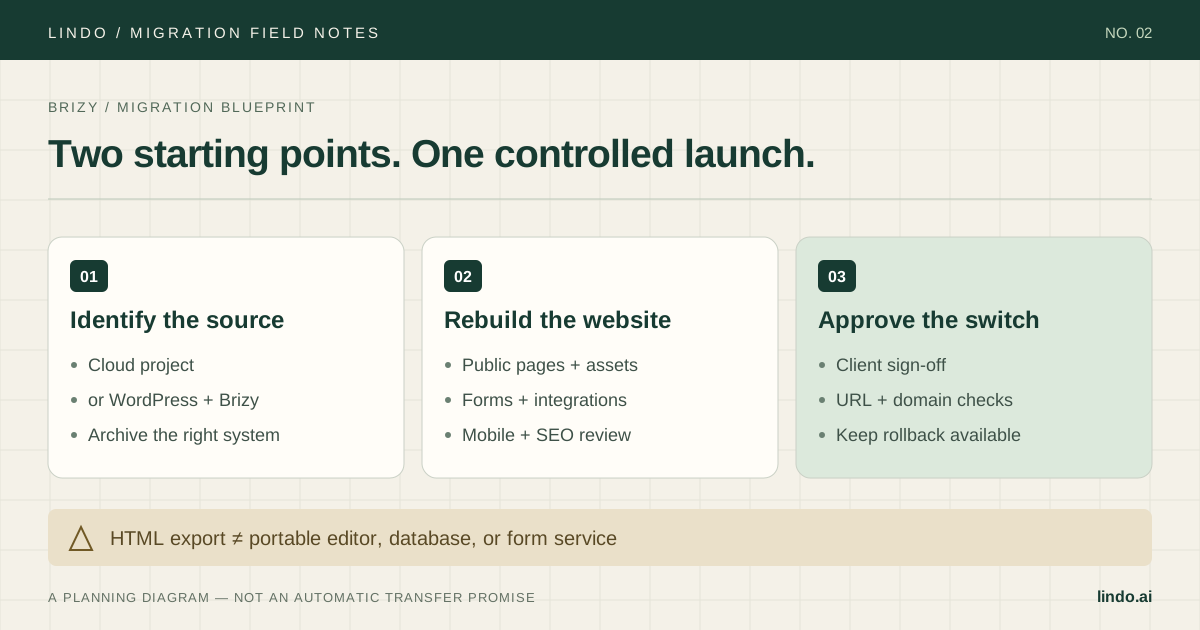
Brizy
How to migrate a Brizy website to an AI website builder
Move a Brizy Cloud or WordPress site to an AI builder. Audit exports, rebuild forms, map URLs, and get client approval before switching the domain.
Read the guide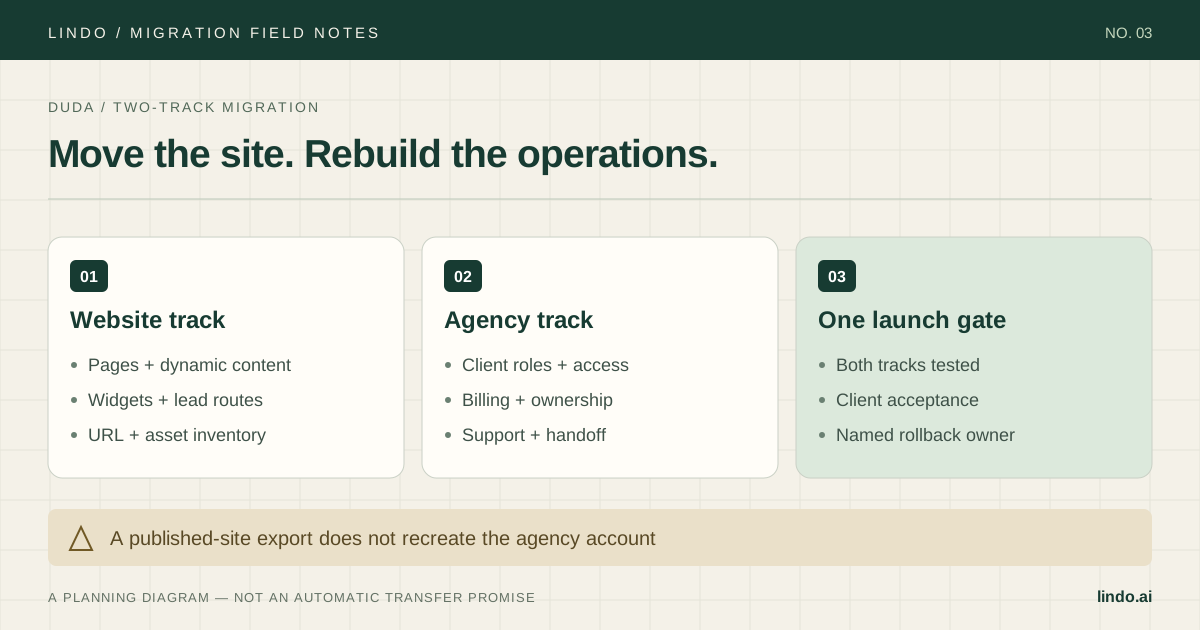
Duda
How to migrate Duda client websites to an AI website builder
Plan a Duda migration around dynamic pages, widgets, client access, and billing. Includes an agency checklist, pilot scope, and launch acceptance tests.
Read the guide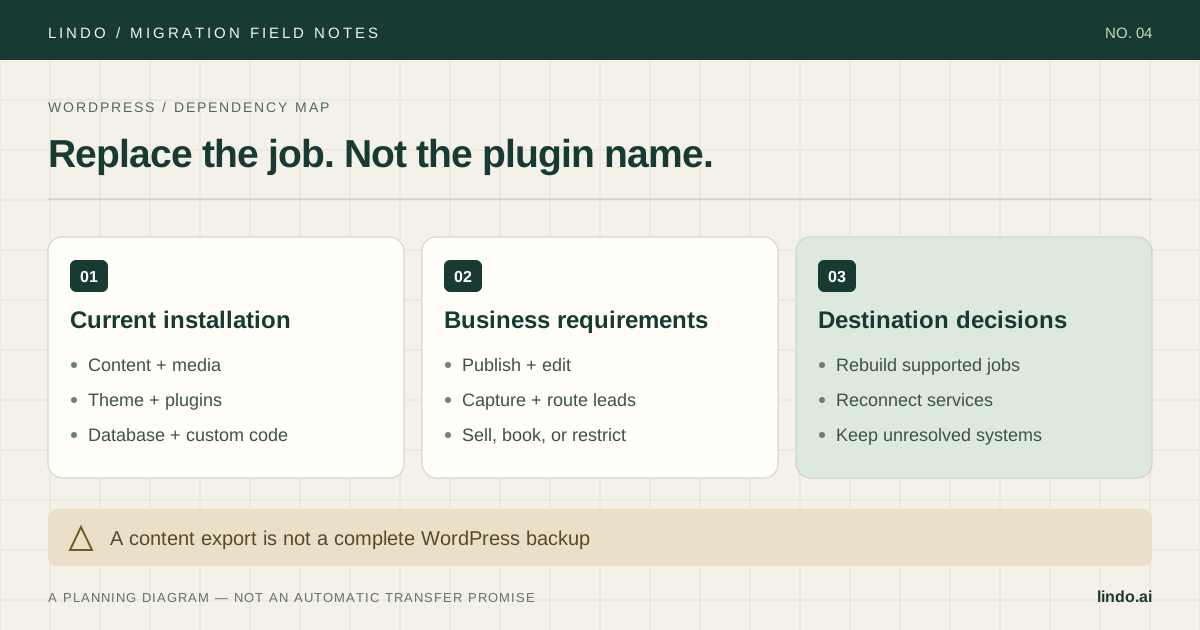
WordPress
How to migrate a WordPress website to an AI website builder
Audit plugins, back up content, preserve URLs, and rebuild a WordPress site in an AI builder. A practical agency guide with a plugin-replacement worksheet.
Read the guide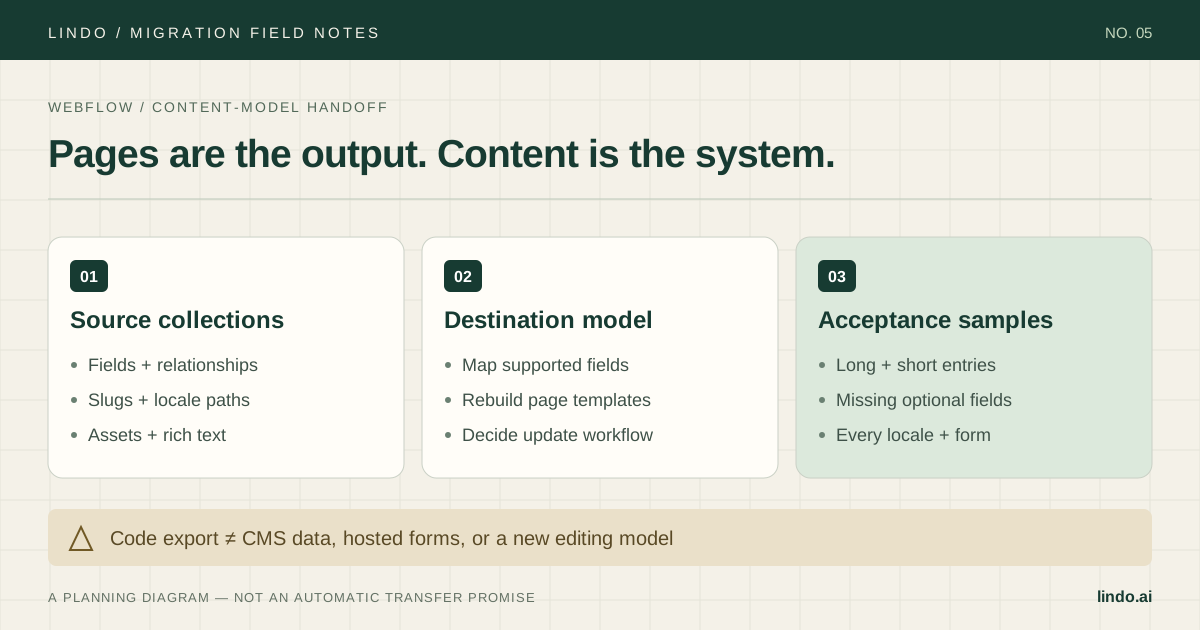
Webflow
How to migrate a Webflow website to an AI website builder
Move a Webflow site with a plan for CMS collections, localized URLs, forms, and interactions. Includes a field-mapping example and agency launch checklist.
Read the guide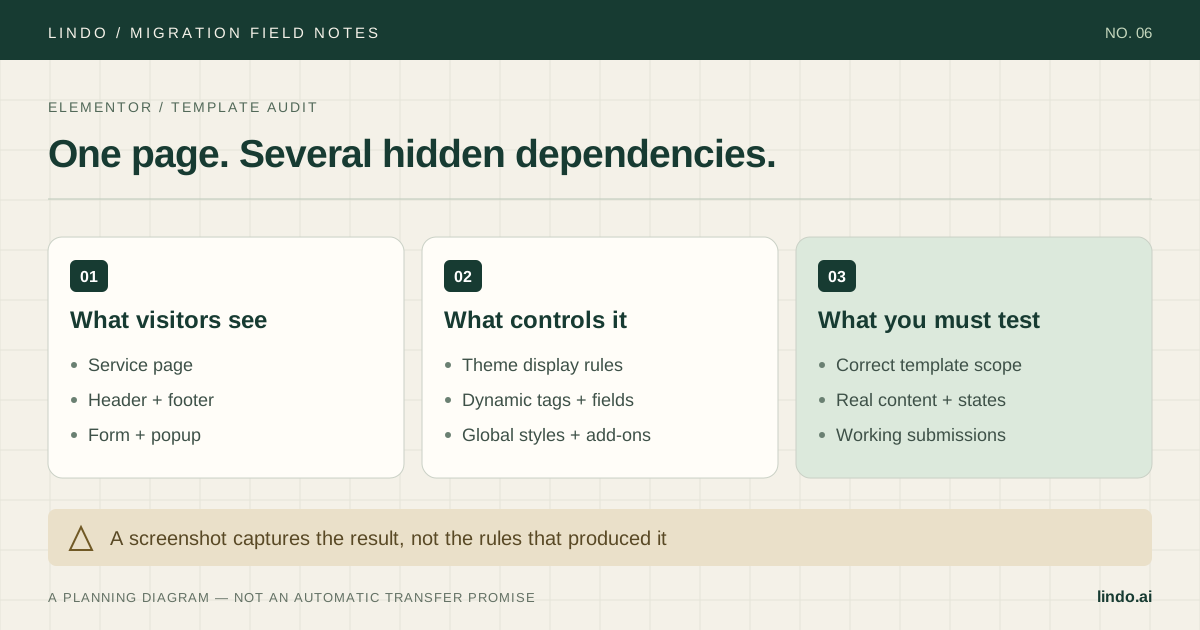
Elementor
How to migrate an Elementor website to an AI website builder
Rebuild an Elementor site without losing track of Theme Builder rules, dynamic fields, popups, or forms. Includes a dependency checklist and pilot tests.
Read the guide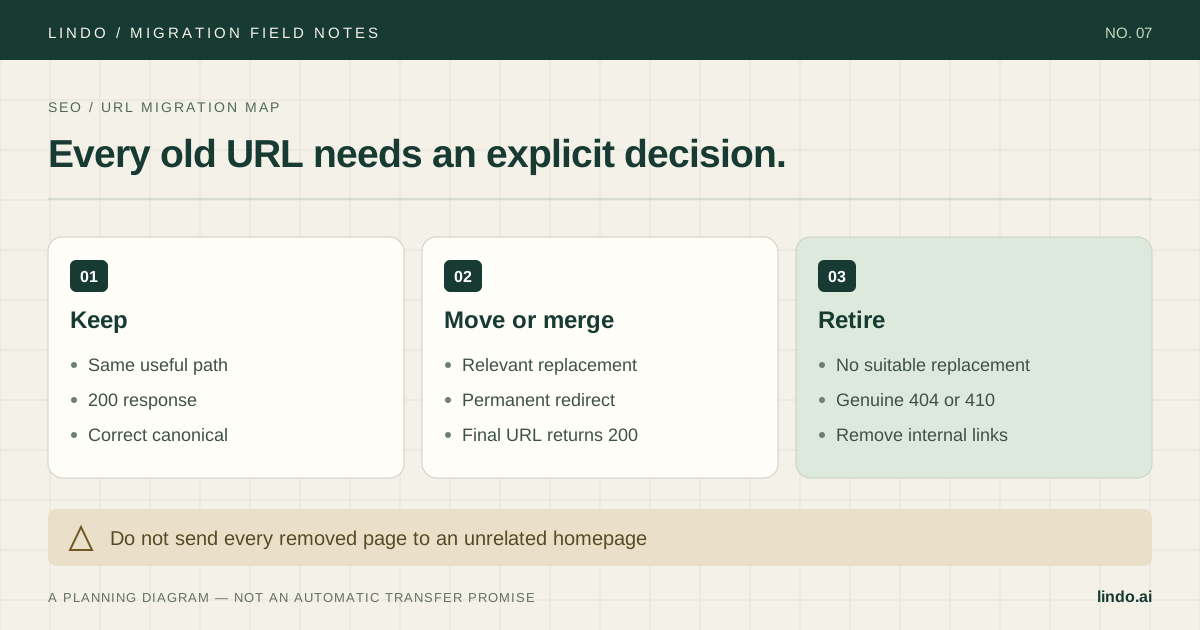
Agency operations
Website migration SEO checklist: before, during, and after launch
An actionable SEO migration checklist for agency websites: URL mapping, redirects, canonicals, forms, tracking, launch checks, and post-migration diagnosis.
Read the guideAgency & white-label library
White Label
What Is a White Label Website Builder?
Learn how white label website builders work, what agencies can brand, how pricing and client access differ, and what to test before choosing one.
February 19, 2026 · 14 min read
White Label
White Label AI Website Builder: What Agencies Should Look For (2026)
If you are shortlisting a white label AI website builder, this guide gives you an agency-first checklist, demo script, and scorecard to pick the right platform in 2026.
March 11, 2026 · 16 min read
Reseller
Web Design Reseller Program: The Complete Agency Guide
Everything agencies need to know about running a web design reseller program: models, pricing, delivery workflow, contracts, and how to protect your margins.
March 4, 2026 · 13 min read
Alternatives
Duda Alternatives: The Best Options for Agencies in 2026
Shopping for Duda alternatives in 2026? This guide compares agency-ready website builders by white label depth, SEO, performance, and client workflow, plus a migration checklist.
March 8, 2026 · 15 min read
AI Website Builder
AI Website Builder: How Agencies Use AI to Deliver Sites Faster
A practical look at how agencies use AI website builders to speed up delivery, what features actually matter, and how to price and package AI-built sites.
February 25, 2026 · 14 min read
White Label
White Label AI Website Builder: Build & Resell Websites Under Your Brand
How agencies use white label AI website builders to generate, brand, and resell client websites — features to look for, pricing models, and a launch checklist.
February 12, 2026 · 13 min read
White Label
White Label Website Builder: The 2026 Buyer's Guide for Agencies
A buyer's guide for agencies evaluating white label website builders in 2026 — features checklist, pricing models, vendor scorecard, and a 30-day rollout plan.
March 18, 2026 · 17 min read
White Label
Free White Label Website Builder: What's Actually Free (2026)
Most "free" white label website builders aren't free once you resell. Here's what's genuinely free, what the catch usually is, and when free is the wrong choice for an agency.
March 15, 2026 · 11 min read
Reseller
Website Builder Reseller Programs (2026): Agency Buyer's Guide
The 10 features that matter most in a website builder reseller program, pricing models and margin math, common pitfalls, and a 30-day launch plan.
March 22, 2026 · 16 min read
AI Website Builder
AI Web Design Agency: What to Expect & How to Choose (2026)
What an AI web design agency actually delivers, realistic timelines and pricing, the tooling stack to expect, and how to evaluate one before you hire.
March 1, 2026 · 14 min read
White Label
7 Best White Label Website Builders in 2026 (Tested & Compared)
We compared 7 white label website builders on pricing, white-label depth, AI generation, and client billing — including where Lindo.ai loses to the competition.
July 9, 2026 · 15 min read
Reseller
How to Sell Websites to Small Businesses in 2026 (Complete Playbook)
A complete playbook for selling websites to small businesses: the opportunity, pricing models, finding clients, the sales conversation, and delivering at scale with AI.
July 10, 2026 · 13 min read